Boosting your kid’s batting average doesn’t have to be an uphill battle. With the right approach and a consistent training regimen, you can help your little leaguer significantly enhance their batting skills.
Important Points
- Boost your child’s batting average with a 15-minute daily routine.
- Common errors in traditional batting practice can slow down progress.
- Quick, effective practice increases power, consistency, and confidence.
- Having the right equipment is crucial for maximizing practice efficiency.
- Monitoring progress aids in making necessary routine modifications.
How to Improve Your Child’s Baseball Hitting in Just 15 Minutes
Picture your child confidently stepping up to the plate, consistently hitting the ball, and enjoying the game more than they ever have. This isn’t just a fantasy; it’s possible with a structured, 15-minute daily routine. Let’s delve into how this can be done effectively.
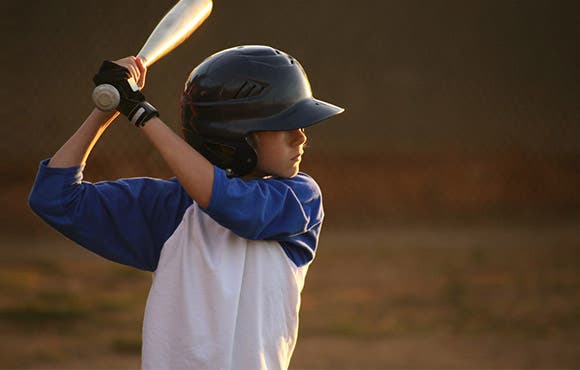
The Usual Errors in Conventional Batting Practice
A lot of young players make the mistake of not practicing properly. Conventional batting practices usually put too much emphasis on quantity rather than quality. Rather than refining particular skills, players may spend hours swinging without purpose. This can result in bad habits and even injuries.
One of the biggest mistakes we see is forgetting the fundamentals like a good stance and grip. If you don’t have a good foundation, even the biggest swings won’t hit the ball well. And, focusing on power alone can make players forget about timing and accuracy.
The Benefits of Short, Focused Practice
On the other hand, a short, focused practice session can produce incredible results. By spending just 15 minutes a day on specific drills, players can improve their power, accuracy, and overall batting average. This consistent, short practice helps develop muscle memory, making it easier to perform well under pressure during games.
Furthermore, these effective drills increase a player’s self-assurance. Being aware that they possess the necessary abilities to excel on the field motivates them to take chances and relish the game more completely. It’s not merely about hitting home runs; it’s about making steady contact and aiding in the team’s victory. For more tips on improving your child’s skills, check out this complete guide for parents.
15-Minute Batting Routine
Let’s get into the nitty-gritty of the 15-minute routine that will take your child’s batting skills to the next level. This routine covers everything from warm-ups to the key techniques of batting.
Getting Started with Warm-Up Drills
Every successful practice begins with a proper warm-up. Warming up is essential to avoid injuries and get the body ready for intense activity. Here’s a quick warm-up routine to kick things off:
- Arm Circles: Have your child rotate their arms forward and backward for 30 seconds each. This helps to warm up their shoulder muscles.
- Torso Twists: Have your child stand with their feet shoulder-width apart and twist their torso from side to side for one minute. This helps to improve their flexibility and range of motion.
- Leg Swings: Have your child swing each leg back and forth for 30 seconds. This helps to warm up their hips and legs.
These simple exercises are designed to prepare your child’s body for the core batting techniques that follow. Remember, the goal is to have your child be loose and relaxed, ready to make each swing count.
Key Equipment for Batting Practice
Using the right gear can greatly improve your child’s batting practice. The essentials are a well-fitting helmet, a comfy pair of batting gloves, and a bat that is the correct size and weight. Each item of gear is important for safety and for maximizing performance.
It’s crucial to have a well-fitted helmet to guard against possible injuries. It should be comfortable on the head without being overly tight, and the chin strap should be fastened securely. Batting gloves can improve the grip on the bat, lessening the likelihood of slipping and improving control during swings.
When it comes to picking out a bat, you need to take into account both the length and the weight. A bat that’s too heavy can slow down your child’s swing speed, and a bat that’s too light might not give them enough power. To find out if a bat is the right weight, have your child hold it straight out for 10 seconds. If they have a hard time doing this, the bat is probably too heavy.
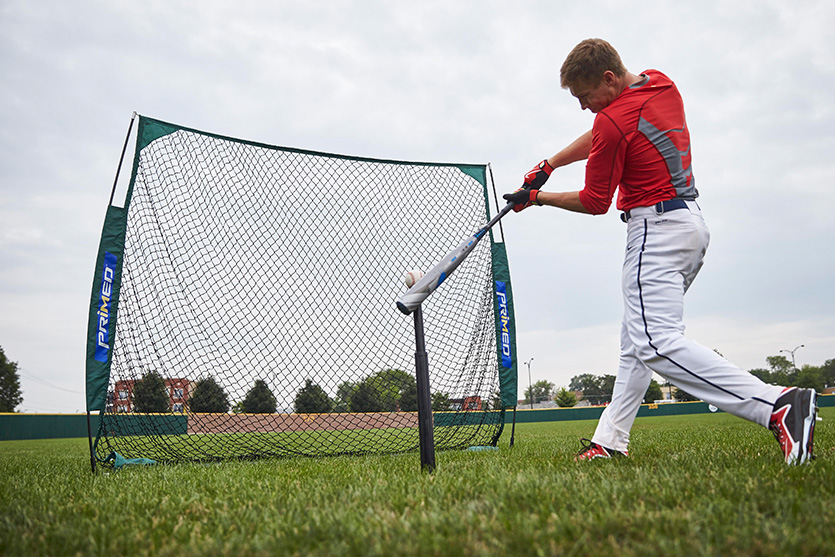
Why the Perfect Tee is a Game Changer
At first glance, a batting tee might seem like a simple tool, but it’s actually a game changer when it comes to improving a child’s hitting skills. The tee gives players the chance to focus on mechanics without the added stress of a moving ball. It also encourages consistency by providing the opportunity for repeated practice of the same swing motion.
Moreover, a tee can be adjusted to various heights, which is great for practicing different pitch locations. This flexibility allows players to learn how to manage different pitches they might come across during a game. By regularly practicing with a tee, young athletes can improve their hand-eye coordination and develop a more consistent swing.
Monitoring and Assessing Progress
It’s essential to monitor and assess your child’s progress in batting skills to ensure they are improving. This is not only useful for pinpointing areas that need more attention, but it also encourages young players by letting them see how far they’ve come.
Establishing Realistic and Attainable Objectives
Establishing objectives is a crucial aspect of any effective training regimen. These objectives should be precise, quantifiable, and attainable. For example, striving to boost the batting average by 20% over the coming season is a distinct objective that can be monitored.
Players can keep their focus and motivation by breaking down their big goals into smaller, achievable steps. When they achieve these smaller goals, their confidence increases and encourages them to keep getting better.
These goals should be revisited and adjusted as needed. If your child is consistently meeting their targets, it might be time to consider setting more challenging goals to keep them engaged and progressing.
Keeping Score to Track Growth
Numbers don’t lie, and they’re a great way to objectively track your child’s progress. By keeping a record of important stats like batting average, on-base percentage, and slugging percentage, you can get a solid understanding of how they’re doing.
Think about keeping track of practice-specific stats in addition to traditional ones. For example, you could track the number of successful hits during tee work or the percentage of pitches hit during live practice. This information can help you customize practice sessions to work on specific areas that need improvement. To enhance your child’s swing, consider exploring must-have batting tees that can transform their performance.
Improving Skills Through Feedback
Feedback is a key component of improvement. Encourage your child to be open to constructive criticism from coaches or teammates. This feedback can provide valuable insights into their technique and indicate areas that need improvement.
For instance, should a coach observe that your child has a habit of pulling their head off the ball, they can practice drills to rectify this. By proactively incorporating feedback into their practice, players can make the required adjustments and keep on improving their skills.
Strategies to Keep Your Child Engaged and Motivated
It’s important to keep your young athlete interested and driven to continue improving. Make sure to create a practice environment that is both fun and challenging.
A great approach is to add games and competitions into training sessions. For example, creating a fun competition to see who can hit the most line drives can add a touch of enjoyment and motivate players to strive harder.
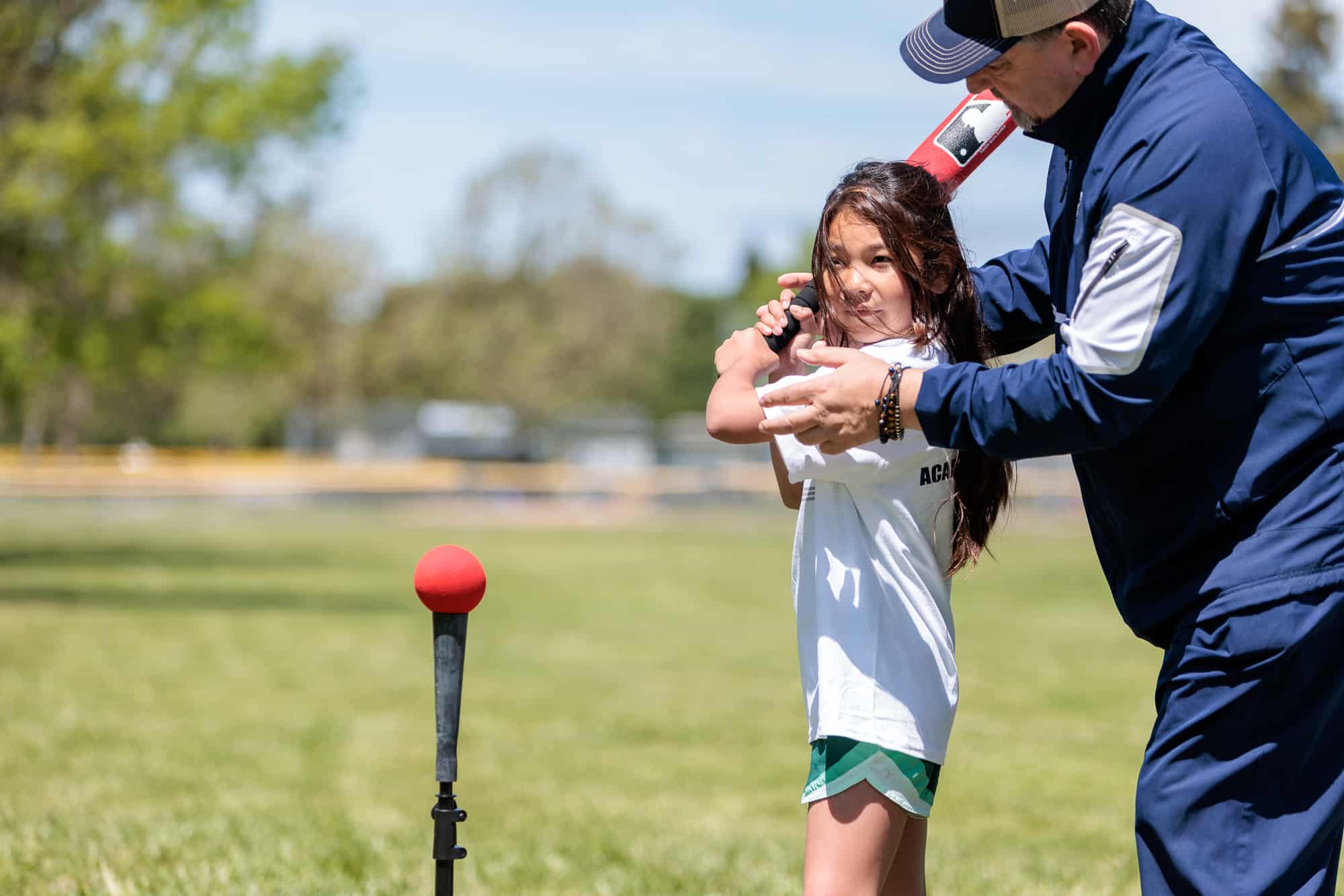
Boosting Your Kid’s Confidence
Confidence is a major factor in a player’s performance. Small victories should be celebrated and progress should be acknowledged, no matter how small. This positive reinforcement builds a player’s self-esteem and encourages them to continue to improve.
Furthermore, remind your child that making mistakes is a normal part of learning. Encourage them to see mistakes as chances to improve, rather than failures. This mindset will help them face challenges with persistence and determination. For more strategies, check out this baseball coaching guide to support their growth.
Creating a Positive Practice Atmosphere
Creating a positive and supportive practice atmosphere can greatly impact a young athlete’s growth. Promote team spirit and friendship among players, highlighting the importance of being there for each other.
Moreover, keeping the lines of communication open with coaches and teammates can create an environment where players feel at ease asking questions and seeking advice. This kind of openness can promote a culture of learning and continuous improvement.
Common Questions
As you begin this journey to help your child become a better batter, you may have some questions. Let’s tackle some of the most frequently asked questions to make sure you’re fully informed.
When can we expect to see an improvement in my child’s batting?
The time it takes for your child to improve their batting can vary depending on their level of commitment and the amount of practice they put in. Generally, you may start to notice a difference in their consistency and confidence after a few weeks of regular practice. However, it may take a full season for there to be a noticeable improvement in their batting average.
What is the best age to begin this routine?
While it’s never too early to start developing good habits, this routine is especially beneficial for players who are 8 years old and above. At this age, kids generally have the coordination and concentration needed to gain from organized practice sessions. For more guidance, check out this baseball coaching guide for young players.
Does the quality of equipment matter?
Having quality equipment can drastically impact a player’s performance and safety. Buying a good bat, helmet, and gloves means your child has the tools they need to do well. Also, equipment that fits properly helps avoid injuries and makes practice sessions more comfortable and efficient.
Example: “Picking the right bat can enhance swing speed and strength, resulting in better ball contact.”
That’s why it’s so important to choose gear that’s right for your child’s size and ability.
Is it possible to incorporate this routine into team practices?
Definitely! This 15-minute routine is designed to be easily incorporated into team practices. Coaches can use these drills as a warm-up or as part of a larger practice session. By including these exercises in team activities, all players can improve their batting skills together. For more practice ideas, check out this baseball coaching guide.
In addition to that, team practices offer a chance for players to encourage and learn from each other, creating a cooperative learning atmosphere.
What if you don’t see any progress?
If you’re not seeing the results you want, try these steps:
- Check the routine to make sure each drill is done right.
- Ask a coach or seasoned player for more advice.
- Change the routine to concentrate more on particular weaknesses.
- Make sure you practice regularly and stick to the routine.
Keep in mind that progress can be slow and may need patience and determination.
Do you need a professional coach?
Professional coaching can offer personalized instruction and expert advice, but it’s not a must-have for improvement. Players can make substantial progress on their own if they’re dedicated to the 15-minute routine and open to learning. If your child is serious about moving up to higher levels of play, a professional coach can provide valuable insights and advanced techniques.
What exercises can help improve the speed of a bat swing?
Improving the speed of a bat swing is key for hitting the ball with greater force. Some drills that can help include:
- Swinging with Resistance Bands: Using resistance bands during swings can help your child build strength and speed by creating additional resistance.
- Swinging with a Heavier Bat: Practicing with a bat that’s a bit heavier than what your child is used to can help them develop muscle strength. When they switch back to their regular bat, they’ll notice an increase in speed.
- Quick Toss Drills: Have someone toss balls to your child in rapid succession. This will help them react quicker and swing faster.
How can my child keep up their progress during the off-season?
It’s important for your child to maintain their progress during the off-season so they don’t lose the skills they’ve worked so hard to develop during regular play. Here’s how they can do that by exploring youth baseball hitting drills that improve power and contact.
Firstly, keep up the 15-minute drill to keep your kid’s skills honed. Also, have them participate in cross-training activities that build overall athleticism, like running, swimming, or playing other sports. These activities will help them stay fit and coordinated, both of which are crucial for baseball performance.
Also, think about joining winter leagues or indoor practices to keep up with regular play. These opportunities offer valuable practice time and help keep a competitive edge. For more tips, explore this home baseball practice routine guide.
By using these tips, young athletes can make sure they’re ready to hit the field for the next season. For more guidance, check out these youth baseball hitting drills to improve power and contact.
To sum up, elevating your kid’s batting average is a process that necessitates commitment, correct methods, and a nurturing atmosphere. By putting into action the tactics and routines mentioned in this article, you can aid your young sportsman in becoming a more self-assured and triumphant hitter. Keep in mind, regular practice and a positive mentality are the secret ingredients to long-term advancement and pleasure in the game.

Leave a Reply