Important Points
- Buying the correct fielding equipment can greatly improve a child’s safety and performance.
- A glove that fits properly is important; it should be snug but comfortable to improve handling and control.
- Training gloves and reaction balls are important tools to help young players develop quick reflexes and better hand-eye coordination.
- Buying secondhand equipment or waiting for sales can save money without sacrificing quality.
- Regular maintenance, like cleaning and conditioning, can make fielding gear last longer.
Why the Right Fielding Equipment is Important
In baseball, fielding is where the right equipment is not just a nice-to-have, it’s a must-have. Choosing the right gear for your child can make a big difference in their performance and safety on the field. Most importantly, the right equipment helps build confidence, allowing young athletes to concentrate on improving their skills without worrying about discomfort or injury.
Enhanced Safety and Performance
Fielding equipment that’s either too big or too small can prevent a child from playing effectively and safely. A glove that’s the wrong size, for instance, can make catching challenging and result in avoidable errors. On top of that, inappropriate gear can heighten the risk of injury, which is the last thing any parent wants for their child. As such, investing in the right equipment is an investment in both safety and performance.
How to Save Money on Kids’ Baseball Gear
It’s a common misconception among parents that the pricier the equipment, the better it is. But that’s not always true. You can save money and still get great gear if you’re smart about it. Consider buying used gear or waiting for a sale. And focus on the must-have items, not the nice-to-haves.
Key Fielding Equipment for Kids
We’ll delve into the fielding equipment that every young player should have. These items aren’t just about simplifying the game; they’re about fostering skills and making sure kids have fun on the field. From gloves to reaction balls, each piece contributes to creating a complete player.
Choosing the Right Glove
The glove is undoubtedly the most important piece of fielding equipment. It needs to be comfortable, long-lasting, and the correct size for your child. To get the right glove, measure from the end of the index finger to the bottom of the wrist. This measurement will assist you in picking a glove that provides the greatest fit. For more guidance, check out this baseball coaching guide which includes practice plans and drills.
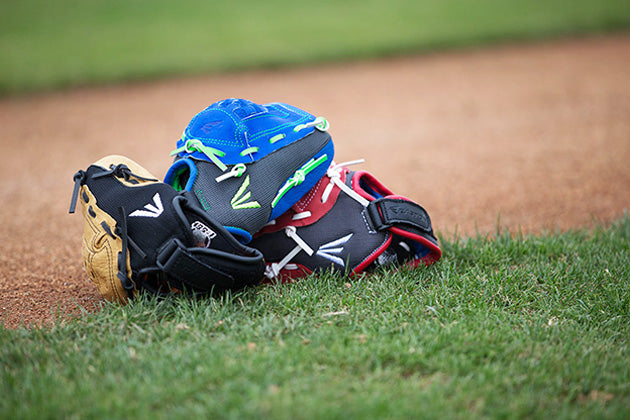
This guide will assist you in selecting the appropriate size:
- For children between the ages of 5 and 6, the best glove size is between 10 and 10.5 inches.
- For children between the ages of 7 and 9, the best glove size is between 10.5 and 11 inches.
- For children between the ages of 10 and 12, the best glove size is between 11 and 12 inches.
It’s important to remember that a well-fitting glove can make a huge difference in a child’s ability to catch and throw. This can, in turn, boost their confidence and performance on the field. For more tips on improving youth skills, check out this guide on youth baseball practice drills.
What Training Gloves Do
Training gloves are smaller than regular gloves, which helps players learn to catch the ball the right way. They’re designed to teach the player how to position their hand correctly and to improve their reflexes. They’re also designed to encourage players to use both hands, which is a basic skill for fielding. For more tips on improving youth baseball skills, check out this baseball coaching guide.
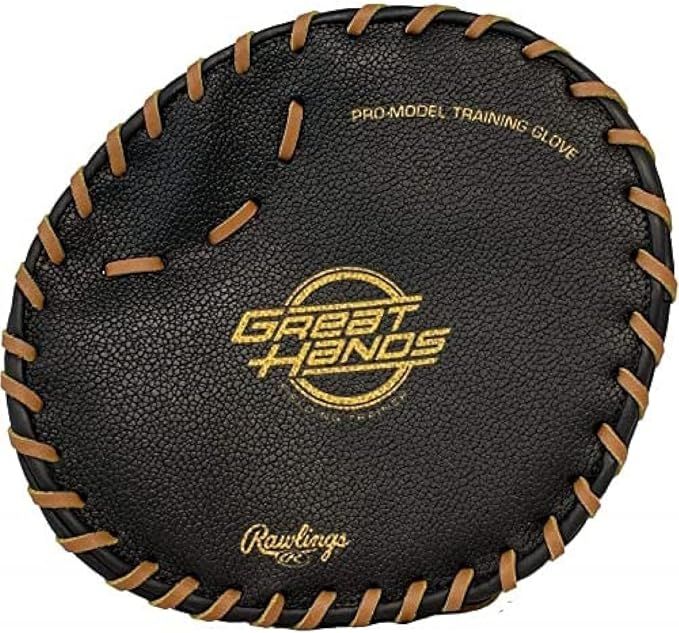
Training gloves are a favorite among professional players because they can help to identify and correct poor techniques. Including training gloves in your child’s practice can help them to improve their mechanics and become better fielders.
Working with a Reaction Ball
A reaction ball is a straightforward but efficient instrument for enhancing hand-eye coordination. Its irregular bounce requires players to respond promptly, imitating actual game situations. This type of practice can greatly impact a player’s capacity to manage unforeseen plays during a match.
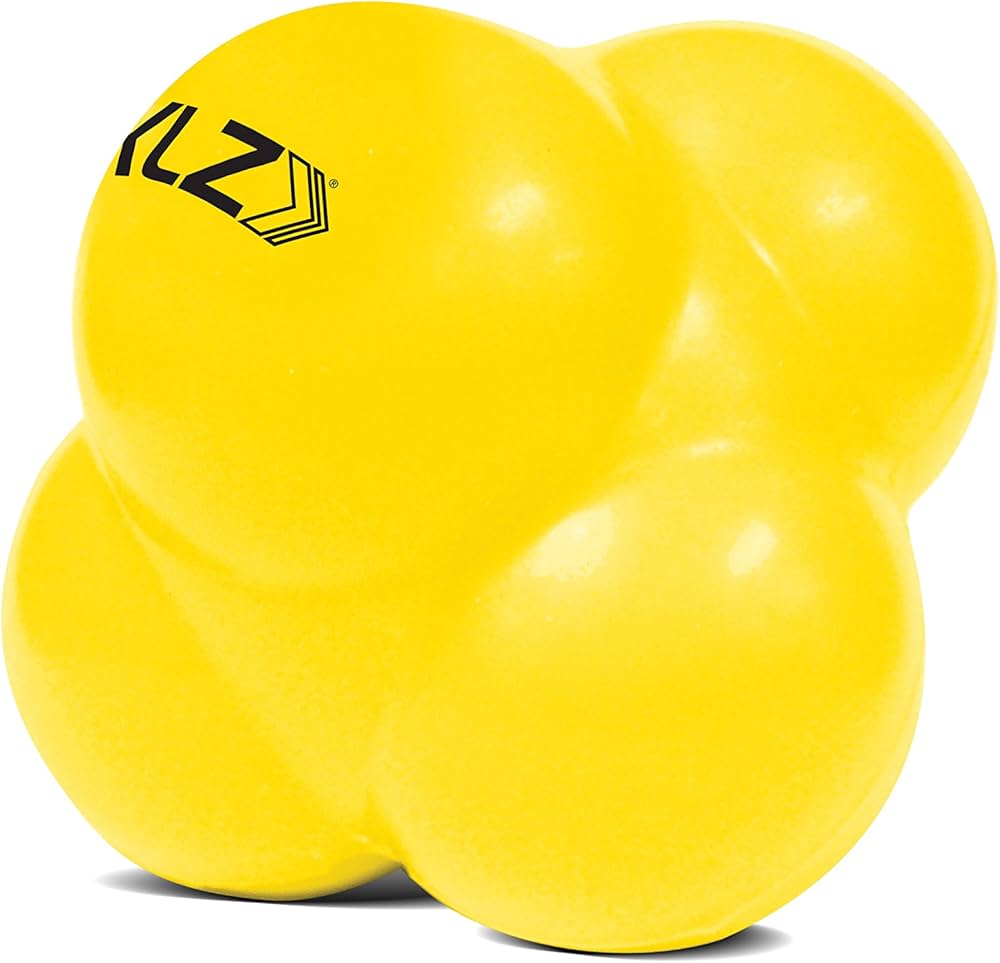
Practicing with a reaction ball often will make your kid more nimble and alert on the field. These skills are priceless, especially in high-stakes situations where fast decision-making is key.
“I’ve seen this $15 tool make more of a difference in my players’ fielding abilities than any $200 piece of equipment.” – Coach’s Guarantee
With regular use, your child could see noticeable improvements in their fielding skills within weeks, making the reaction ball a cost-effective and valuable addition to their training routine.
Why You Should Consider Buying in Bulk
When you’re shopping for kids’ fielding equipment, buying in bulk is a clever move. If you buy a full set of gear from one store, you’ll probably get a discount, which will save you money over time. Plus, it’s not just about saving money. Buying in bulk means all the equipment will be the same quality and style, giving your young player a more consistent look and feel. For more tips on improving your child’s game, check out these youth baseball practice drills.
Furthermore, certain stores provide unique deals that encompass gloves, training tools, and practice balls at a lower cost. These packages are put together to provide everything a young athlete needs, simplifying the shopping experience and making it more convenient for parents. Always keep an eye out for these bargains, particularly in the off-season when price reductions are more common.
Identifying Unneeded Equipment Expenses
With fielding equipment, it’s simple to be drawn in by the appeal of the newest devices and add-ons. But, not all of these items are needed to enhance a kid’s game. Knowing the difference between vital equipment and extras can save you a lot of money.
Steering Clear of Pricey Accessories
There are a plethora of accessories out there that claim to boost performance, but they often end up unused. For example, pricey glove oils and conditioners are touted as essential, but they’re not always needed. A consistent, basic cleaning routine can maintain a glove’s prime condition without the need for expensive items.
There are many specialized training tools that may seem attractive, but they typically provide minimal advantages. Concentrate on the basics, such as a glove that fits well and a reaction ball, before considering other accessories. Keep in mind that the fundamentals are frequently all a young player needs to excel.
Identifying the Must-Haves and Nice-to-Haves
Knowing what your child really needs for their development is vital. The must-haves are a glove that fits them well, a training glove for practice, and a reaction ball. These are the basics that will help them train effectively and improve their skills.
It can be tempting to splurge on non-essential items like top-of-the-line batting gloves or multiple pairs of cleats. However, it’s important to focus on the essentials first. Only consider these extras if they fit your budget and truly enhance your child’s playing experience.
Why Correct Equipment Sizing Matters
It’s crucial to select the correct size for fielding equipment, as it can affect both comfort and performance. If the gear doesn’t fit properly, it can limit a player’s performance and potentially cause injuries. Making sure your child’s equipment fits right can boost their confidence and help them play more safely.
Finding the Right Glove Size
It’s easy to figure out the right size for a baseball glove. Simply use a flexible tape measure to find the length from the top of the index finger to the bottom of the wrist. This measurement will help you pick a glove that fits well without being too tight. For more tips on improving your child’s game, check out these youth baseball practice drills.
Also, it’s a good idea to have your child try on several gloves to see which one feels the best. A glove should allow for easy movement and shouldn’t pinch or restrict the hand. Remember, a glove that fits well will make it easier to catch and throw, which will improve your child’s overall performance.
How the Right Fit Affects Performance
When a child has a glove that fits just right, it can greatly improve their performance on the field. A well-fitting glove gives them better control and accuracy when they’re catching and throwing. This can increase their confidence because they can concentrate more on their technique and less on fiddling with their equipment.
Furthermore, the correct fit lessens the chances of blisters and other discomforts that can result from ill-fitting equipment. By making sure that all fielding gear fits properly, you pave the way for your child to succeed and enjoy the game.
Building an Affordable Fielding Practice Routine
Consistent practice is crucial to improving fielding skills, and it doesn’t have to be expensive. Concentrating on basic drills and utilizing a few necessary pieces of equipment can help you develop a cost-effective routine for your child.
- Begin with light stretches and a short jog to avoid injuries.
- Use a reaction ball to practice catching and throwing to boost reflexes.
- Use a training mitt to concentrate on correct hand placement and technique.
- Include drills that mimic real-game situations for a thorough workout.
Your child can do this routine in your backyard or at a nearby park, making it easy and convenient. If your child maintains a regular practice schedule, they will notice their fielding skills improving over time.
The “Quarter Hour of Fielding”
The “Quarter Hour of Fielding” is an excellent way to develop your child’s skills without overloading them. This brief but concentrated session contains drills that focus on important areas such as hand-eye coordination and response time.
Begin with a short warm-up session, then proceed to catching and throwing drills with a reaction ball. Wrap up the session with a few minutes of practice with a training glove to reinforce the correct techniques. This routine is easy to incorporate into a busy schedule and offers consistent practice that results in noticeable improvements.
Adding Solo Practice Tools to Your Kid’s Training
Solo practice tools such as a bounce-back net are a great addition to your child’s training equipment. These tools give your child the chance to practice on their own and improve their skills at their own speed. A bounce-back net, for example, bounces the ball back to the player. This allows your child to practice their catching and throwing skills even when they don’t have a partner to play with.
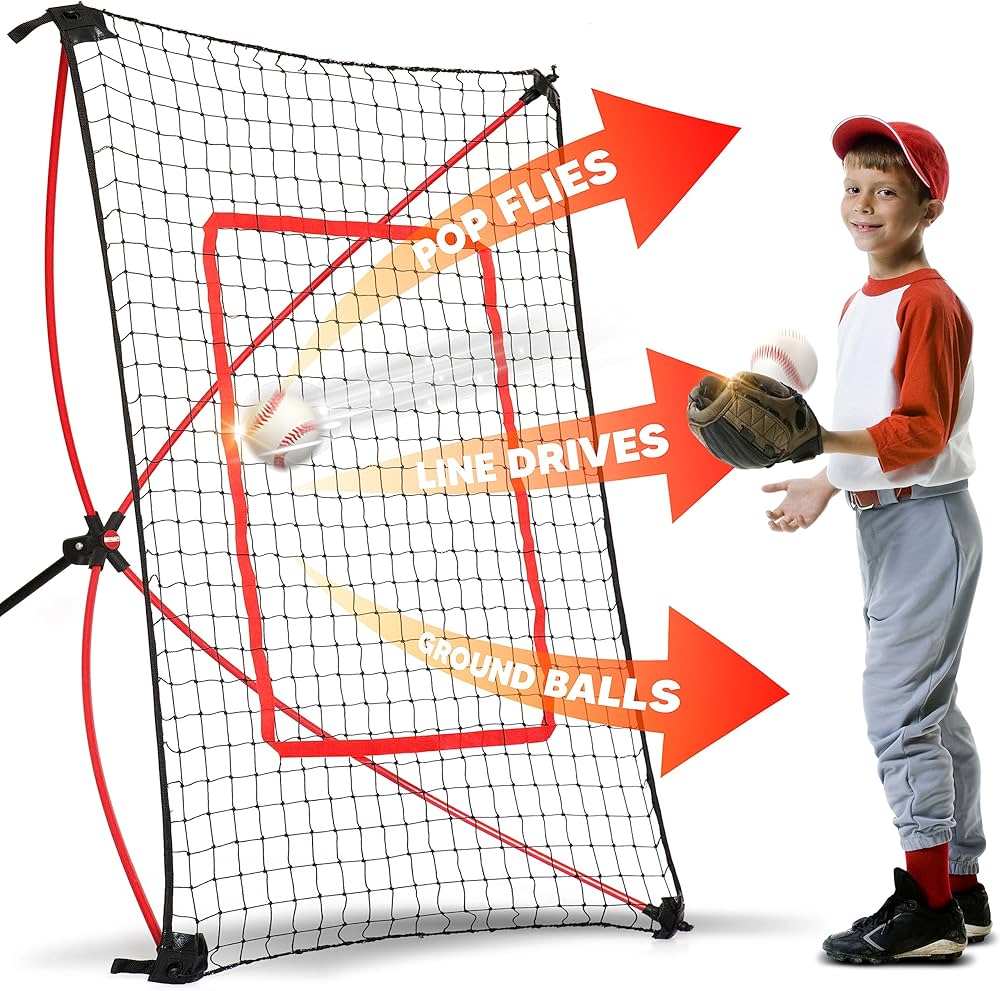
When you add these tools to your child’s practice routine, you give them the ability to take control of their own growth. This independence will not only help them to get better, but it will also encourage them to be responsible and committed to the sport.
Wrapping Up
Selecting the best fielding gear for your kid doesn’t have to be a complex or costly task. By concentrating on the necessary gear, guaranteeing the right fit, and establishing an affordable practice schedule, you give your budding athlete the tools they need to shine on the field.
Don’t forget that the secret to good fielding is regular practice and proper equipment. By making careful investments in equipment and training, your child can develop the skills they need to be great at baseball while having the time of their life.
Money-Saving Tips for Parents on a Budget
If you’re a parent, you know how important it is to be smart about where you spend your money. This is especially true when it comes to sports equipment. Start by focusing on the basics. A glove that fits well, a training glove, and a reaction ball are the most important tools for developing fielding skills. They are not only affordable but also very effective in helping young athletes develop the skills they need.
Another trick is to shop wisely. Hunt for bargains, particularly during off-peak times, and think about buying nearly new equipment. Many sports shops have trade-in schemes or sell excellent pre-owned gear for a fraction of the price. This way, you can give your child top-notch equipment without breaking the bank.
Why Choosing the Right Equipment Matters in the Long Run
Choosing the right equipment for your child isn’t just about saving money now, it’s about saving money in the future too. By investing in the right equipment and taking care of it, you can make sure your child’s gear lasts longer and doesn’t need to be replaced as often. This also teaches your child to take care of their equipment and understand its value. For tips on maintaining equipment, check out our coaching guide for youth baseball.
Common Questions
It’s not easy to choose the right fielding equipment for your child when there are so many options. Here are some questions that parents often have, and some simple answers to help you decide.
What’s the most crucial fielding equipment?
The most important piece of fielding equipment is the glove. For successful catching and throwing, a glove that fits correctly is necessary. It should be comfortable and allow for free movement, so your child can concentrate on their technique rather than their equipment.
Aside from the glove, a reaction ball is a crucial piece of equipment that improves hand-eye coordination and reflexes. These two pieces of equipment are the backbone of a good fielding setup.
How can I tell if a glove is the right size for my kid?
If you want to know the right glove size for your kid, measure from the top of your kid’s index finger down to the bottom of their wrist. This measurement will help you pick a glove that fits tightly. A tight fit lets your kid move and control the glove easily, which is very important for good fielding.
Do young players need training gloves?
Yes, training gloves are great for young players. They are designed to help with hand positioning and develop quick reflexes. By using a training glove, your child can focus on catching the ball correctly and reinforcing good habits, making them a better fielder. For additional tips on improving fielding skills, you might find these youth baseball practice drills helpful.
Professional players frequently use training gloves during practice, which speaks to their usefulness in developing skills.
What’s the best way to take care of my kid’s fielding equipment?
To make sure your child’s fielding equipment lasts as long as possible, you need to take care of it properly. Wipe down gloves regularly with a damp cloth to get rid of any dirt or debris. You should also condition the leather from time to time to keep it soft and to stop it from cracking. When you’re not using the gloves, keep them in a cool, dry place to prevent any damage from moisture or heat.
For equipment like reaction balls, just clean them off after use and put them away correctly. Regular maintenance ensures that your kid’s gear stays in good shape, giving the best performance.
Where can I get a good deal on fielding equipment?
You can get a good deal on fielding equipment at sports stores, both in-store and online, especially during off-seasons. Keep an eye out for sales, clearance racks, and trade-in programs that offer discounts. You can also find gently used equipment at a much lower price at secondhand stores and online marketplaces.
Should you buy a reaction ball?
Yes, without a doubt. A reaction ball is a cost-effective tool that significantly improves hand-eye coordination and reflexes. Its unpredictable bounce simulates real-game situations, preparing young athletes for the unexpected plays they might face on the field.
Considering its affordable price and high impact, a reaction ball is a good investment for any young player wanting to enhance their fielding skills. If you’re looking for more ways to improve your child’s performance, check out these tips on why your child might be missing the ball.
When should you replace fielding equipment?
You should replace fielding equipment when it starts showing signs of wear that affect performance. This could include gloves that have become too loose or cracked, or reaction balls that have lost their bounce. Regular maintenance can extend the life of equipment, but it’s crucial to replace items as needed to ensure safety and effectiveness.
What are the usual blunders parents commit when buying fielding equipment?
One usual blunder is buying gear that is too big, with the idea that their kid will eventually grow into it. This can negatively affect performance and heighten the chance of getting injured. It’s more advisable to buy the appropriate size for your kid’s current needs. Another blunder is giving more importance to brand names instead of quality and fit. Always put comfort and functionality first before brand names.
Finally, try not to purchase unneeded extras that claim to improve performance but frequently go unused. Stick with the basics and put money into things that will genuinely enhance your child’s practice.

Leave a Reply