Key Points
- Selecting an appropriate glove can significantly boost a young player’s performance and self-assurance.
- For ages 8-12, youth fastpitch softball gloves should have a good fit, with sizes usually varying from 10 to 12 inches.
- Leather gloves provide durability and a superior feel, while synthetic gloves are more lightweight and easier to break in.
- Different webbing styles cater to various fielding requirements; closed web is excellent for pitchers, while open web is favored by infielders.
- Regular upkeep, such as cleaning and conditioning, prolongs the lifespan of a softball glove.
The Importance of the Right Glove for Youth Fastpitch Players
In youth fastpitch softball, having the right glove is crucial. It’s not just about catching the ball; it’s about enhancing a player’s self-assurance and performance on the field. A well-selected glove offers the right fit and comfort, enabling young players to concentrate on their game without any distractions.

How Glove Size Affects Performance and Confidence
First and foremost, a glove that fits just right can significantly improve a player’s ability to catch, throw, and field. It gives them the assurance to give their all without fearing errors. Picture attempting to catch a fastball with a glove that’s either too big or too small—it’s not only difficult; it can be downright exasperating.
Moreover, possessing the correct glove aids players in honing their abilities at a faster rate. They can train more effectively with a glove that fits their hand size and position, resulting in improved performance during matches. As they progress, their self-assurance increases, motivating them to test their boundaries and derive greater enjoyment from the sport. For tips on selecting the right glove, check out this guide for parents.
Selecting the Right Size
It’s important to select a glove that is appropriate for the player’s age and hand size. For players between the ages of 8 and 12, gloves usually range from 10 to 12 inches. This size range ensures the glove is not too big and not too small. It provides a snug fit that allows for better ball control. For additional tips on coaching young players, you can explore practice drills and guides designed specifically for this age group.
For the best fit, measure from the top of the index finger to the bottom of the wrist. This measurement will assist you in choosing a glove that is both comfortable and manageable. Keep in mind that a glove that is too large can make it difficult for a player to close it around the ball, while a glove that is too small may not offer enough protection.
Thinking about Durability and Materials
Material is a big factor in how durable a glove will be. Leather gloves are a favorite because they are durable and have a great feel. They also tend to last longer and form to the player’s hand over time. But, they can be heavier and take longer to break in.
Meanwhile, synthetic gloves are lighter and typically easier to break in. They’re an excellent choice for younger players who may not have the strength to manage a heavier glove. While they may not endure as long as leather gloves, they provide a cost-effective substitute for those just getting started in the sport. For more details on choosing the right glove, check out this fastpitch softball glove guide.
What to Look for in Youth Fastpitch Softball Gloves
Knowing what to look for in youth fastpitch softball gloves can help you make a better choice. The size, material, webbing style, and pocket depth all contribute to how well the glove will perform on the field.
Choosing the Right Size and Measuring Correctly
Choosing the right size is the first step in picking the perfect glove. Like we mentioned before, you can get an accurate glove size by measuring from the top of the index finger to the base of the wrist. You should also consider the player’s position on the field because it can affect the best glove size and style.
Choosing Your Material: Leather or Synthetic?
When it comes to picking out a glove, you have a choice between leather and synthetic materials. Leather gloves are popular for their durability and comfort. They give you a better grip and are more long-lasting, which makes them a good investment for players who are more serious. However, they need a longer break-in period.
On the other hand, synthetic gloves are light and easy to break in. They’re perfect for younger players who may not have the strength to handle a heavier glove. Although they might not be as durable as leather, they provide a cost-effective choice for those just starting out in the sport.
1. Mizuno Prospect Series Glove
The Mizuno Prospect Series Glove is a great option for young players because of its unique design and high-quality construction. This glove is specially engineered to make it easier for youth players to catch the ball, with its PowerClose technology that makes closing the glove around the ball easier. For more information on choosing the right glove, check out this guide on how to choose a fastpitch softball glove. The glove’s lightweight and flexible build make it perfect for players who are still building their hand strength.
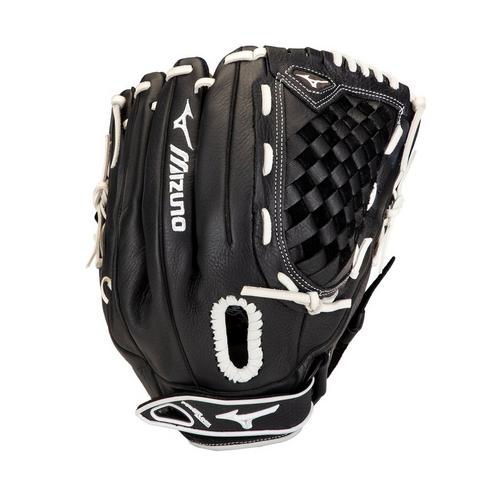
Moreover, the Mizuno Prospect Series is outfitted with a padded palm and finger lining, providing additional protection and comfort. The glove is constructed from sturdy leather, guaranteeing it can endure the demands of frequent play. It’s a great choice for players who are committed to enhancing their abilities and need a glove that will evolve with them as they progress in their sport.
2. Wilson A360 Series Glove
The Wilson A360 Series Glove is an excellent choice for young players who are new to fastpitch softball. This glove is versatile and can be used in many positions, making it a perfect all-around glove for players who are still discovering their strengths on the field. The glove is made entirely of pigskin leather, which is durable and comfortable, offering a soft feel that young players will enjoy.
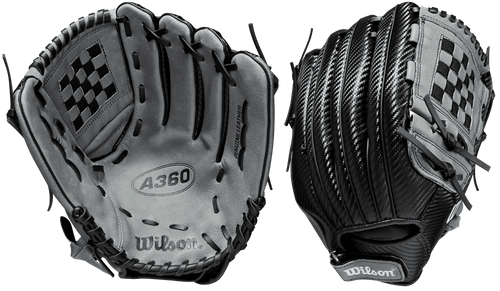
The Wilson A360 stands out due to its double welting, which helps the glove keep its shape even with regular use. The open back design of the glove allows for better air flow, keeping players’ hands cool and dry during high-stakes games. This glove is a solid option for those who need a reliable piece of gear that is also affordable. For more insights on selecting the right glove, check out this guide for parents.
3. Easton Z-Flex Series Glove
The Easton Z-Flex Series Glove is designed with the young player in mind, with features that fit smaller hands. Its special Z-Flex palm and Hog Hide leather make it super easy to close, which is a big plus for players who are still perfecting their catching skills. The lightweight build makes sure that players can move their hands fast and easily, helping them react quicker on the field.
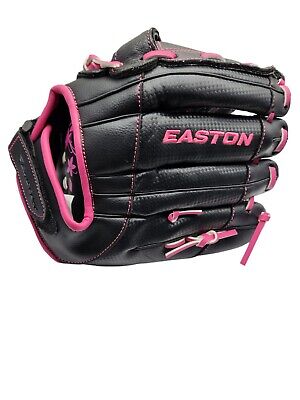
The Easton Z-Flex stands out for its adjustable wrist strap that offers a personalized fit for each player. This glove is ready to play straight from the packaging, so there’s no need for a long break-in period. For young players eager to get started, the Easton Z-Flex is a strong choice.
Picking the Perfect Glove for Your Position
It’s essential to pick the right glove for your position to improve your game. Each position on the field requires a glove with different features to be the most effective. Knowing these differences can help players and their parents make smart choices when buying a glove.
How Field Positions Influence Glove Design
The position a player is in on the field determines the type of glove they need. Infielders usually need a glove with a shallow pocket for quick ball retrieval and throws. Outfielders, however, need a glove with a deep pocket to catch fly balls better. For more information, check out this guide on how to choose a fastpitch softball glove.
Extra padding is needed in gloves for catchers to manage fast pitches. Pitchers usually use gloves with closed webbing to conceal how they’re holding the ball. Players can improve their abilities and make more significant contributions to the success of their team by selecting a glove that matches their position.
Differences Between Outfield and Infield Gloves
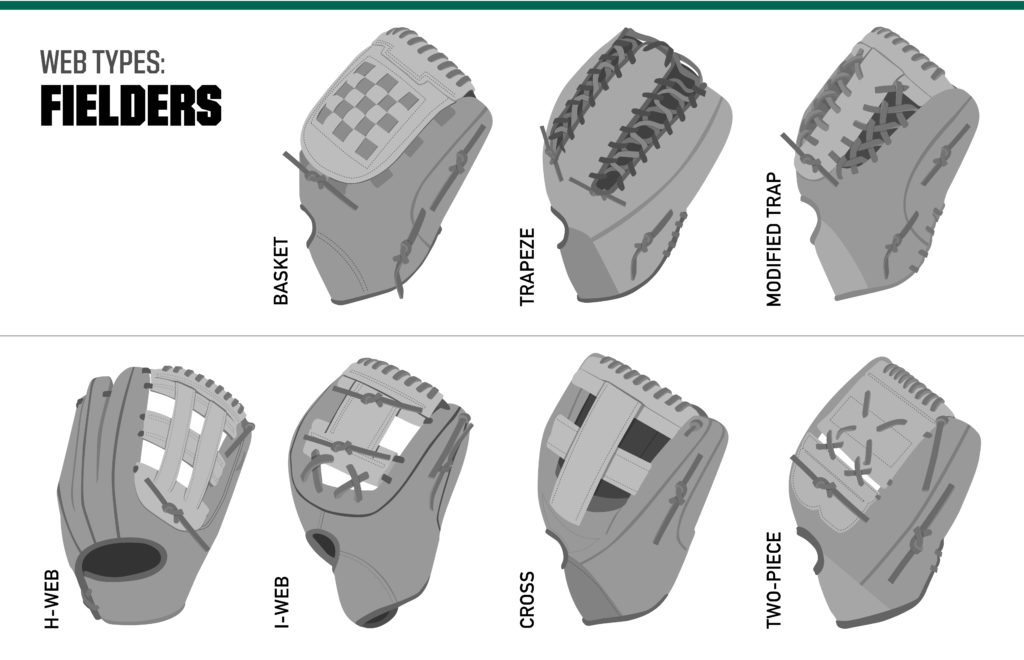
Outfield gloves are typically larger, with sizes from 12 to 14 inches, and have a deep pocket and open web design to securely catch fly balls. They are made to give players the most reach and help them cover more ground. On the other hand, infield gloves are usually smaller, between 10 to 12 inches, and have a shallow pocket for quick ball transfers. They often have a closed web design to handle ground balls and quick plays more efficiently.
What to Look for in a Pitcher’s Glove
- Concealing pitch grips with closed webbing
- Comfort for those long innings
- Durability to hold up to frequent use
- Lightweight for quick movements
When choosing a glove for a pitcher, you want something that is both comfortable and functional. Closed webbing is a must to keep the opposing team from seeing the pitcher’s grip. It also needs to be comfortable enough to wear for long periods of time, as pitchers can be out there for a while. Durability is also important as it will see a lot of use throughout the season.
How to Care for Your Glove for Longevity
Softball gloves require consistent care to stay in peak condition. With regular maintenance, a glove can last longer and perform better on the field. Players can keep their gloves ready for action by following these easy steps. For more tips, check out this guide on buying a youth baseball glove.
Methods for Cleaning and Conditioning
After each use, you should clean your glove by removing any dirt or debris. You can do this by using a soft brush or cloth to wipe away any dirt. Conditioning your glove with a leather conditioner will help to keep the material soft and prevent it from cracking. When applying the conditioner, make sure to do so sparingly and evenly, and allow it to fully absorb before you use the glove again. For more tips, check out this guide on buying a youth baseball glove.
How to Store Your Glove Properly
Storing your glove the right way can help prevent unnecessary damage. It’s important to avoid leaving your glove in direct sunlight or in very hot or cold temperatures, as these conditions can harm the leather. Instead, keep your glove in a cool, dry location. You might also want to use a glove wrap or ball to help it keep its shape when you’re not using it.
Players can keep their gloves in top-notch condition and ensure they perform reliably season after season by following these maintenance tips.
How to Maintain Your Glove for Longer Use
Regularly checking your glove for signs of wear like loose laces or frayed edges can help keep it game-ready. If you find any issues, fix them as soon as possible to prevent further damage. Also, make sure to check the fit of your glove from time to time and adjust the straps or laces if necessary to keep it secure and comfortable.
Wrapping Up: Inspiring Love and Excellence
To wrap things up, picking the perfect youth fastpitch softball glove isn’t just about the gear; it’s about inspiring a young player’s love for the game. With the ideal glove, players can excel and cultivate a lifelong passion for the sport. For guidance on selecting the right glove, check out this youth baseball glove buying guide.
When you put your money into a good glove and take care of it, you can make sure it will help you or your child play their best in fastpitch softball. For additional tips, check out this guide for buying a youth baseball glove. Let’s help our kids to love the game, push their limits, and have fun every time they step onto the field.
Wrapping Up the Significance of a Good Glove
Fastpitch softball requires a good glove. It’s not just about catching the ball; it’s about giving young players the tools they need to succeed and have fun. A well-picked glove boosts their development and self-assurance on the field, making each game more fun and fruitful.
The fit, material, and upkeep of a glove all play a role in how well it works. By purchasing a high-quality glove and taking care of it, players can concentrate on improving their abilities and having fun with their favorite sport. A great glove is an investment in a player’s future, aiding them in honing their skills and realizing their dreams. For more tips on enhancing skills, check out these kids baseball practice drills.
Supporting Young Athletes in Their Journey to Excellence
Supporting young athletes in their journey to excellence is about more than just equipping them with the right gear. It’s about nurturing their love for the sport and creating an atmosphere where they feel encouraged to learn and develop. With the right backing, young players can surmount obstacles, enhance their abilities, and gain enduring self-assurance both on and off the pitch. For those looking to improve their skills, exploring baseball practice drills can be highly beneficial.
Commonly Asked Questions
We’ve compiled a list of commonly asked questions about youth fastpitch softball gloves to help you make the best decision for your young player.
What size glove should an 8-year-old use?
An 8-year-old typically uses a glove that is between 10 and 11 inches. This size is ideal because it allows the player to control the ball and have a good amount of coverage. It’s always a good idea to try on a few different sizes because not everyone’s hands are the same size. For more guidance, check out our tips on buying a youth baseball glove.
Remember to think about the position of the player when choosing a glove. Infielders might like a smaller glove for faster ball handling, and outfielders could want a slightly bigger glove for catching fly balls. For more tips on improving your game, check out these youth baseball coaching skills.
- Measure from the tip of the index finger to the base of the wrist.
- Consider trying on several gloves to find the most comfortable fit.
- Choose a glove that suits the player’s position on the field.
How often should a softball glove be conditioned?
Conditioning a softball glove should be done regularly to maintain its flexibility and prevent cracking. For most gloves, conditioning every few weeks during the season is sufficient. However, if the glove is exposed to harsh conditions or used frequently, more regular conditioning may be necessary.
For the best results, always use a leather conditioner specifically made for gloves, and follow the manufacturer’s instructions.
Are synthetic gloves as good as leather ones?
Synthetic gloves can be a great choice, particularly for younger players who need a glove that’s light and doesn’t take long to break in. While they might not be as durable or have the same feel as leather gloves, they’re usually cheaper and don’t need as much upkeep. For more information on choosing the right glove, check out this guide for parents.
A synthetic glove can be a good option for players who are just starting out. As they improve and hone their skills, they may decide to switch to a leather glove for better performance and durability.
Ultimately, both leather and synthetic gloves have their own benefits, and the decision comes down to the player’s individual needs and wants.
How do you break in a new glove?
Breaking in a new glove is crucial for getting the most out of your game. Here are some tips to guide you through the process:
- Open and close the glove repeatedly using a soft ball to mimic game movements.
- To soften the leather, apply a bit of glove oil or conditioner.
- Shape the pocket by wrapping the glove around a ball and securing it with rubber bands.
- Play catch frequently to break in the glove naturally.
What is the best way to clean and care for my child’s glove?
Proper cleaning and care of a softball glove will keep it in good shape for many seasons. Here are some tips for maintaining it:
- After each use, clean off any dirt or debris with a soft brush or cloth.
- Keep the glove flexible by sparingly applying a leather conditioner.
- Store the glove in a place that is cool and dry, and not directly in the sun.
- Inspect the glove for any loose laces or damage and fix them if necessary.
By maintaining your glove regularly, you can extend its lifespan and ensure it performs well during games. For more tips, check out this guide on how to buy a youth baseball glove.
What is the significance of a glove’s webbing style?
A glove’s webbing style has a direct impact on its performance, and this can vary depending on the player’s position. Pitchers tend to prefer closed webbing because it hides their grip on the ball. Infielders usually choose open webbing because it allows for faster ball transfers. Outfielders, on the other hand, often opt for gloves with deep pockets and open webbing, which help them catch fly balls.
Choosing the right webbing style can boost a player’s performance in their position, making it a crucial factor to consider when picking a glove.
Do they make gloves for left-handed players?
Indeed, they do make gloves for left-handed players. These gloves are referred to as “left-hand throw” gloves and are worn on the right hand, enabling left-handed players to throw with their dominant hand. It’s crucial to choose the right glove type to ensure comfort and performance on the field.
Is it possible to use the same glove for both baseball and softball?
Although some gloves can be used for both baseball and softball, it’s usually better to use a glove that’s specifically made for each sport. Softball gloves usually have bigger pockets to hold the larger softball, while baseball gloves are made for the smaller baseball.
Players can enhance their performance and handle the ball more efficiently by using a glove that is specifically designed for the sport.
In the end, choosing the correct glove comes down to finding the one that best suits the player’s needs, position, and personal preferences. With the right glove, young athletes can develop their abilities, build self-confidence, and have fun on the field.

Leave a Reply