It’s vital for kids who play baseball and softball to develop mental toughness. This trait is a key factor in their success, not only on the field but also in other areas of life. A strong mindset can help young players overcome obstacles, maintain concentration when under pressure, and build resilience. In this article, we’ll discuss how coaches can help their players develop these important skills.
Main Points
- Children can manage stress and enhance their performance by developing mental toughness in sports.
- Encouraging a growth mindset in children allows them to see challenges as opportunities.
- Creating a team environment that is supportive can increase confidence and teamwork.
- Visualization and mental practice are important techniques for improving focus.
- Athletes can maintain focus and decrease anxiety by following consistent routines.
Mental Toughness in Youth Sports: What You Need to Know
Mental toughness plays a critical role in youth sports, particularly in baseball and softball. It is the capacity of an athlete to remain focused, motivated, and resilient in the face of adversity. Mental toughness is not just about winning games. It’s about cultivating skills that will be useful to children throughout their lives.

What it is and Why it Matters
Mental toughness is made up of a few important traits: self-assuredness, concentration, resilience, and the capacity to handle stress. These traits allow young players to give their all, no matter what is happening around them. Crucially, mental toughness helps kids recover from failures and learn from what they’ve been through.
Building mental strength is crucial as it readies athletes for the unavoidable highs and lows of sports. Beyond just physical abilities, a robust mental game enables players to keep moving forward, even when the going gets rough. For those looking to enhance their training techniques, exploring innovative training techniques can be beneficial.
The Effect on Personal Development and Game Performance
Game performance is directly affected by mental toughness. A player with mental toughness can stay focused during critical moments, remain calm under pressure, and make intelligent choices on the field. This mental advantage frequently sets great players apart from good ones.
Mental toughness is a trait that extends beyond the realm of sports and contributes to personal development. It teaches children how to deal with adversity, builds their self-confidence, and instills a strong work ethic. These traits are beneficial in all aspects of life, including school and personal relationships.
Best Mindset Coaching Techniques for Mental Strength
Coaches are instrumental in helping young athletes build mental strength. With the right mindset and a supportive setting, coaches can assist players in developing resilience and self-assurance. For more insights, explore mental game tools for youth athletes.
Teaching a Growth Mindset
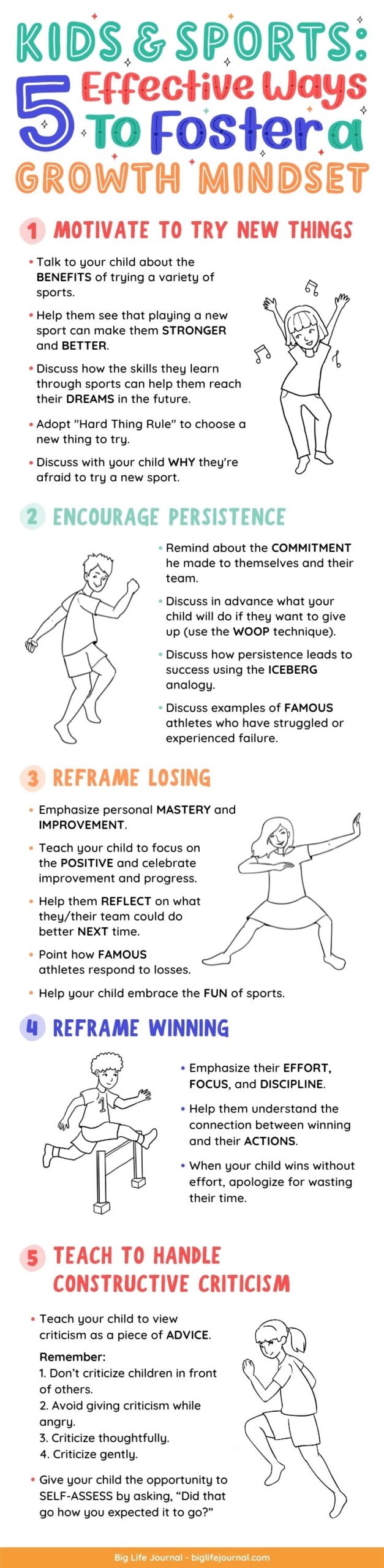
One of the most successful strategies is teaching a growth mindset. This idea, created by psychologist Carol Dweck, focuses on the belief that skills can be developed through commitment and hard work. A growth mindset inspires kids to see challenges as chances to learn and grow.
Coaches can foster a growth mindset by emphasizing effort and progress rather than only results. They should motivate their players to set personal goals and cheer on their progress, even if it’s minimal. This method promotes a passion for learning and resilience when dealing with obstacles.
Building a Nurturing Team Atmosphere
For mental toughness to truly grow, a nurturing team atmosphere is a must. Players who feel that their coaches and teammates have their backs are more likely to take chances and stretch their limits. Coaches need to stress the importance of working as a team, communicating effectively, and treating each other with respect.
Furthermore, it’s crucial to foster an environment where children feel comfortable sharing their thoughts and worries. Promote open conversation and offer positive criticism. This aids in the development of self-assurance and experiential learning for the players.
Fostering Resilience and Adaptability
Resilience and adaptability are essential elements of mental toughness. Coaches can foster these qualities by prompting players to venture out of their comfort zones and embrace new experiences. For instance, switching positions or attempting new drills can assist players in developing flexibility and adaptability.
Most importantly, coaches should model resilience and adaptability themselves. Show players how to handle setbacks with grace and use them as learning opportunities. This sets a powerful example and inspires kids to develop these traits in their own lives.
Putting Mental Toughness Training Techniques into Practice
- Imagining and mentally rehearsing
- Exercises for focus and concentration
- Dealing with stress and setbacks
Putting specific training techniques into practice can improve mental toughness in young athletes even more. These techniques help players develop focus, concentration, and the ability to deal with stress. For additional tips, check out this guide on coaching kids to enhance their overall performance.
Picturing Success and Practicing in Your Mind
Picturing success and practicing in your mind are strong methods for boosting concentration and performance. Players can grow their self-assurance and lessen their nervousness by picturing themselves achieving victory in particular situations.
Encourage your players to practice visualization by closing their eyes and imagining themselves performing a specific skill or play. Ask them to concentrate on the details, like the sensation of holding the bat or the sound of the ball hitting the glove. This mental exercise can improve physical performance and increase self-confidence. For more tips, check out our guide on coaching kids to become better players.
Coaching young athletes in baseball and softball requires not only teaching physical skills but also fostering mental toughness. This involves helping players develop a strong mindset to handle the pressures of the game. Coaches can utilize various strategies to build this mental resilience, such as setting achievable goals and encouraging positive self-talk. Additionally, incorporating innovative training techniques can further enhance both the physical and mental aspects of the game.
Dealing with Stress and Difficulties
Dealing with stress and difficulties is a key part of mental toughness. Kids often find themselves in high-stress situations, whether it’s a big game or a tough practice. It’s important to teach them how to handle these situations as part of their growth. For example, incorporating indoor baseball drills can help improve their skills and confidence in a controlled environment.
A good strategy is to instruct players on how to manage their breathing. Deep, measured breaths can help to soothe nerves and unclutter the mind. Prompt athletes to take a couple of deep breaths before they step up to the plate or throw a pitch. This easy method can drastically lower anxiety and enhance concentration.
A great way to help players build mental toughness is by teaching them to use positive self-talk. Encourage them to replace negative thoughts with positive ones. For instance, instead of thinking, “I can’t do this,” they should say, “I’ve practiced hard, and I can do this.” Positive self-talk can help build confidence and keep players calm under pressure.
Building Steady Pre-Game and In-Game Routines
Routines are a crucial element in developing mental toughness. They offer a sense of order and familiarity that can alleviate stress and enhance concentration. Constructing steady pre-game and in-game routines can make a world of difference for young athletes.

Before the game, players might have a specific sequence of warm-up exercises, use mental imagery, or listen to music that pumps them up. These pre-game rituals help the players get in the zone and ready for the game they’re about to play.
Routines during the game are just as crucial. Whether it’s a specific ritual before stepping into the batter’s box or a breathing exercise before pitching, these routines help players keep their concentration and calm during the game.
The Significance of Routine
Routines are crucial as they provide a feeling of regularity and command. When players follow a particular routine, they know what’s coming next and can concentrate on putting their skills into action. This predictability can lessen nervousness and enable players to perform at their peak.
Examples of Successful Routines
Here are a few examples of successful routines:
- Warm-up before the game: This should include stretching, light jogging, and dynamic exercises to get the body ready.
- Visualize mentally: Take a few minutes to visualize successful plays and positive outcomes.
- Concentration drills: Practice exercises that require focus, like concentrating on a specific point or object, to improve attention.
These routines can be tailored to meet the unique needs of each player. The most important thing is to be consistent; by sticking to these routines, players can build confidence and enhance their performance. For additional techniques, explore innovative training techniques that can further boost skills.
Customizing Routines to Suit Individual Players
- Identify the specific preferences and strengths of each player.
- Encourage players to try out various routines to discover what suits them best.
- Modify routines as necessary to adapt to changes in skill level or situations.
Customizing routines to suit individual players is vital to make them as effective as possible. What’s effective for one player may not be for another, so it’s important to promote flexibility and experimentation. For more on enhancing mental toughness in sports, check out these mental game tools for youth athletes.
When players create individualized routines, they begin to take responsibility for their preparation, which can lead to increased confidence in their skills. This feeling of control can greatly improve mental toughness and overall performance. For those looking to enhance their skills further, exploring indoor baseball drills can be a beneficial addition to their training regimen.
How to Gauge Success and Progress in Mental Toughness
It’s crucial for both coaches and players to monitor progress in mental toughness. Athletes can remain driven and concentrated on their growth by setting distinct objectives and frequently evaluating progress.
Being mentally tough isn’t just about winning, it’s about personal growth and being resilient. Coaches can track progress to provide useful feedback and help players reach their full potential.
Establishing Realistic Objectives
Establishing realistic objectives is an essential part of tracking progress. These objectives should be precise, quantifiable, and feasible. For instance, a player may aim to enhance their batting average by a specific percentage or to decrease the number of mistakes they make on the field.
Players can stay motivated and easily track their progress by breaking down larger goals into smaller, more manageable steps. This method also allows for regular celebration of achievements, which can increase confidence and reinforce positive behaviors.
Keeping Tabs on Progress and Reflecting on Performance
It’s important for growth to regularly keep tabs on progress and reflect on performance. Inspire players to maintain a journal where they can jot down their objectives, obstacles, and victories. This habit allows them to observe their progress over time and pinpoint areas for enhancement.
Looking back on one’s performance is a potent way to learn and develop. Players can learn a lot about what they’re good at and where they need to improve by evaluating their own performance. This self-knowledge is a crucial aspect of mental resilience.
Constructive Criticism and Adaptation
It’s important for coaches to provide helpful criticism to help players grow. Coaches should give specific and actionable advice that emphasizes effort and progress, not just the end result. This method promotes a mindset of growth and motivates players to continue to challenge themselves. For more insights, explore coaching kids to become pros.
As players advance and acquire new abilities, modifications might be required. Coaches can assist players in adjusting and evolving by being adaptable and receptive to change. This adaptability is a key characteristic of mental resilience and a crucial ability for success in both sports and life.
Creating an Encouraging and Positive Coaching Approach
Creating a positive and encouraging coaching approach can greatly improve a player’s mental toughness. Coaches who create a supportive and uplifting atmosphere can motivate players to achieve their maximum potential.
How to Communicate and Encourage Positivity
Good communication is the backbone of good coaching. Coaches should aim to communicate in a way that is simple and easy to understand, while also being encouraging and positive. Celebrating even the smallest of wins can help to build confidence and keep players motivated to continue to get better.
Coaches who foster strong bonds with their players can establish an atmosphere of trust and respect. This type of supportive environment allows players to feel safe taking risks and pushing their boundaries, which in turn leads to increased mental toughness and success.
Building a Team Culture of Inclusion
Building a team culture of inclusion is key to fostering mental toughness in young athletes. When players feel that their contributions are valued and they are treated with respect, they are more likely to take risks and strive for improvement. A culture of inclusion encourages teamwork, communication, and mutual respect among team members. To learn more about fostering these qualities, explore coaching kids to become pros.
Coaches can foster a sense of belonging by facilitating open conversations and giving every player an equal chance to participate and contribute. They should stress the importance of backing up their teammates and cheering for each other’s accomplishments. This helps create a feeling of community and encourages players to cooperate in achieving shared objectives.
Cheering for the Little Wins
One of the best ways to inspire young athletes and build their confidence is by cheering for the little wins. Coaches who recognize and celebrate progress can help reinforce good habits and motivate players to keep pushing for more. Little wins can be anything from learning a new skill to demonstrating excellent sportsmanship during a game.
It is vital for coaches to acknowledge these accomplishments and cheer them on with the team. This can be accomplished through verbal encouragement, team recognitions, or even minor prizes. Players are taught to value the process rather than just the results by concentrating on improvement, which aids in the development of resilience.
Common Questions
What does mental toughness mean in sports?
In sports, mental toughness is an athlete’s capacity to remain concentrated, driven, and tough, even in difficult circumstances. It’s about keeping self-assured and composed under stress, and being able to recover from disappointments. Mental toughness is crucial for achieving in sports and allows athletes to perform at their peak.
What is the significance of a growth mindset in coaching?
Having a growth mindset in coaching is crucial because it inspires athletes to see hurdles as chances to learn and improve. Coaches who concentrate on effort and progress rather than only results can assist players in developing resilience and a passion for learning. A growth mindset cultivates a positive approach to obstacles and motivates players to continue striving.
What can I do to help my child handle the pressure of sports?
Helping your child handle the pressure of sports involves teaching them coping strategies and providing support. Encourage them to practice deep breathing and positive self-talk to calm nerves and boost confidence. Remind them that mistakes are part of learning and that effort and improvement are more important than perfection. Be supportive and celebrate their progress, no matter how small.
What are some simple mental strength exercises?
Some simple mental strength exercises include visualization, focus drills, and positive self-talk. Visualization is the process of imagining successful plays and positive outcomes, which can increase confidence and decrease anxiety. Focus drills, like focusing on a specific point or object, can improve attention and concentration. Positive self-talk is the practice of replacing negative thoughts with affirming statements to increase confidence and resilience.
What are the benefits of pre-game routines for athletes?
Pre-game routines offer athletes a sense of structure and familiarity, which can help to decrease anxiety and increase concentration. By creating a sense of normality and control, routines allow players to concentrate on performing their skills. Regular routines like specific warm-up sequences or mental visualization help athletes to get into the correct mindset and prepare for the upcoming game.
Before the game, players might engage in activities like stretching, visualizing their performance, or listening to music that pumps them up. The important thing is to keep doing these activities regularly. This can help players feel more confident and play better.
What are some ways to gauge my kid’s progress in mental toughness?
Assessing your kid’s progress in mental toughness requires setting specific, attainable goals and consistently monitoring their advancement. Motivate them to maintain a diary where they can jot down their objectives, hurdles, and victories. This habit enables them to witness their development over time and pinpoint areas that need enhancement. Offering helpful criticism and commemorating accomplishments can also aid in monitoring progress.
How should you provide feedback to young athletes?
When providing feedback to young athletes, it’s important to focus on their effort and progress rather than just the results. Give them specific, actionable feedback that promotes a growth mindset and highlights the importance of learning from their mistakes. Be supportive and positive, acknowledging and celebrating small wins to increase their confidence and motivation. For more tips, check out these advanced pitching techniques for developing young players.
What can I do to make my team feel supported?
To make your team feel supported, you should promote open communication, respect for each other, and inclusiveness. Let the players know that it’s okay to voice their feelings and worries, and give them feedback that will help them grow and get better. Stress the value of working as a team and make sure to celebrate everyone’s victories. This will help your players feel like they belong and inspire them to work together to reach their shared goals. For more insights on fostering a positive mindset, check out this article on youth mental game toughness.
Coaches can use these strategies to help young athletes develop mental toughness and maximize their potential, both on and off the field.

Leave a Reply