Summary
- With just 30 minutes a day, you can significantly improve your baseball skills by practicing at home.
- It is essential to have a structured routine that focuses on hitting, fielding, and pitching.
- It is crucial to invest in basic equipment such as a batting tee, practice net, and training balls.
- Setting up a dedicated practice space can help maintain consistency and focus.
- Tracking progress and adjusting routines can ensure continuous improvement.
How to Create the Ideal Home Baseball Practice Routine
Creating a home baseball practice routine is a great way to improve your skills and stay fit, even when you can’t get to the field. Whether you’re just starting out or you’re an experienced player, having a structured routine can help you concentrate on the basics and develop your skills over time.
Why You Should Practice Baseball at Home
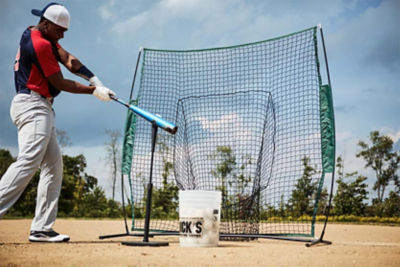
There are many reasons to practice baseball at home. It gives you the freedom to choose when you practice and lets you focus on certain skills without the stress of a game. A good routine will help you develop muscle memory, get better at hand-eye coordination, and become more confident.
Moreover, practicing at home can be a great opportunity to bond with family members who might want to join in the fun. It also allows you to keep track of your progress and set personal goals, which can be a great source of motivation.
Grasping the Basic Skills
Prior to starting the practice routine, it’s crucial to grasp the basic skills of baseball. These encompass hitting, fielding, and pitching. Each skill necessitates different techniques and focuses, so dissecting them into smaller components can assist you in mastering them more efficiently.
Swinging the bat calls for perfect timing, power, and precision. Catching the ball demands quick reactions, strategic positioning, and nimbleness. Throwing the ball calls for accuracy, command, and stamina. Focusing on each of these skills separately will help you build a solid base that will improve your overall game on the diamond.
Equipment You Need to Practice Efficiently
If you want to get the most from your home baseball practice routine, there are some key pieces of equipment you’ll need. You don’t have to have a whole baseball field, but having the right tools can make a big difference in your training.
Picking Out a Good Batting Tee
You can’t have a home practice setup without a batting tee. This tool lets you practice your swing without needing a pitcher. When you’re picking out a batting tee, find one that you can adjust in height so you can practice with different pitches and strike zones. A strong base will keep it stable during use, so it won’t tip over easily.
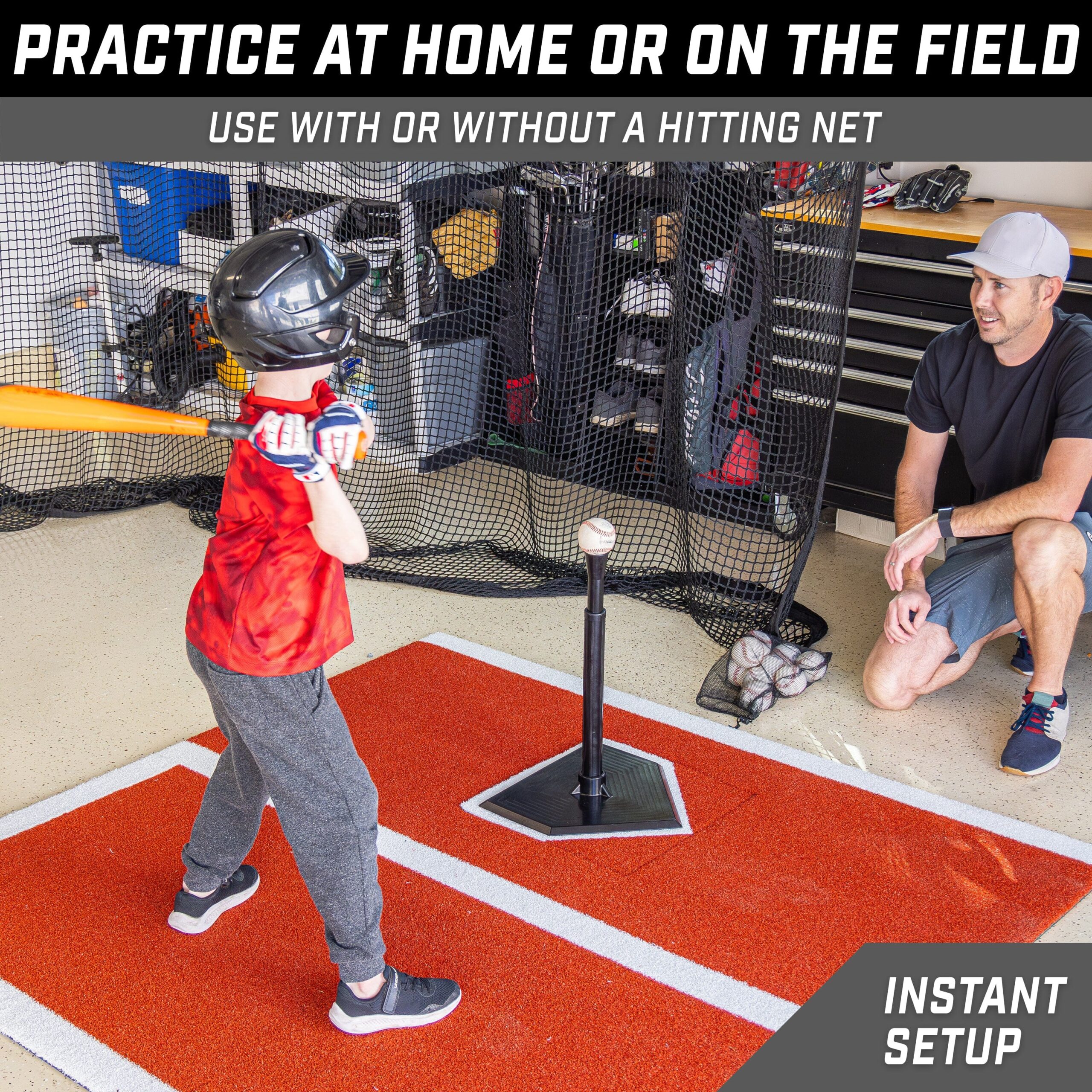
Primarily, a top-notch batting tee can assist you in concentrating on your swing mechanics and enhancing your hitting precision. It’s a worthwhile investment that lets you practice more and perfect your approach.
Choosing the Ideal Practice Net
It’s essential to have a practice net to catch balls and reduce the time you spend retrieving them. A decent practice net should be sturdy and big enough to accommodate both hitting and pitching exercises. Choose a net that is simple to assemble and disassemble, allowing you to easily switch between various practice zones. For more tips on creating an effective training setup, check out this guide on baseball drills at home.
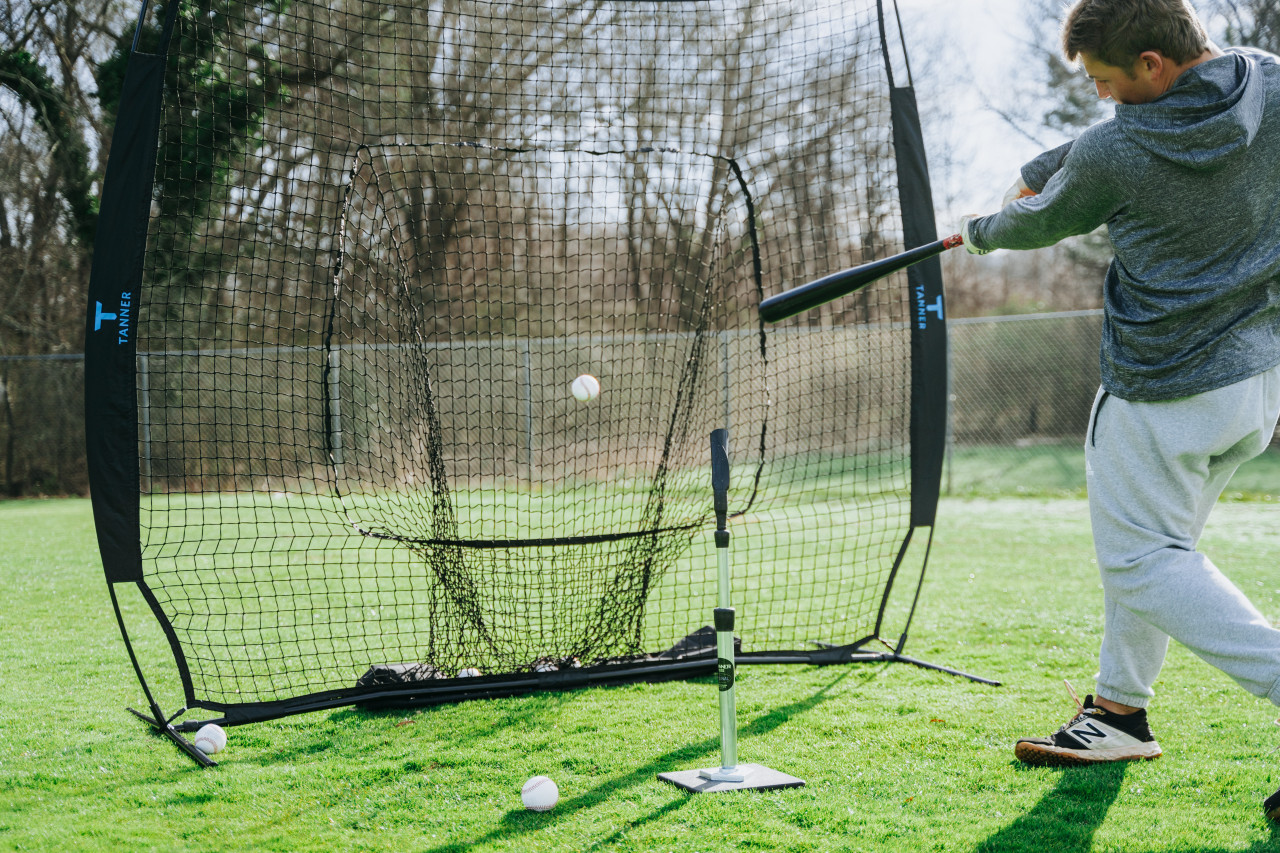
Practicing with a net also means you can practice safely, especially if you’re in a small space. It gives a barrier that keeps balls from causing damage or injury.
Catching and Throwing
Being able to catch and throw is a crucial part of baseball. By practicing this at home, you can improve your reaction time and agility. Begin with simple drills such as ground balls and pop flies. If you don’t have much space, consider using a soft ball or a tennis ball, which can help to minimize the risk of injury or damage. For more ideas, check out these baseball drills to try at home.
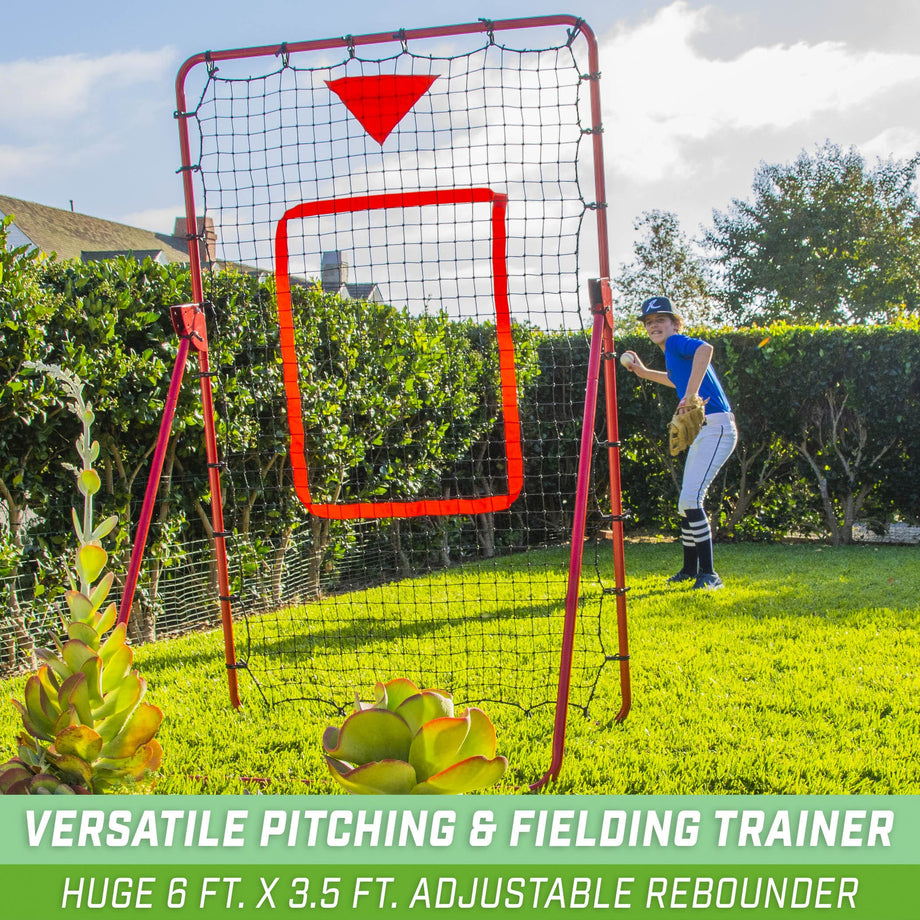
Get into a ready position, with a slight bend in your knees and your glove out in front of you. Practice fielding ground balls by rolling or bouncing them towards you, focusing on your hand-eye coordination and footwork. For fly balls, toss the ball up into the air and practice catching it with your glove. Make sure to call out “I got it!” to simulate game situations. For more tips on improving your fielding skills, check out this essential fielding equipment guide.
Techniques for Pitching and Throwing
Both pitching and throwing require a great deal of control and precision. You can improve your throwing mechanics at home by setting up a target on a wall or using your practice net. Pay attention to your grip, stance, and follow-through to make sure your throw is smooth and accurate.
For better pitching, you can practice your wind-up and delivery in front of a mirror or film yourself to critique your form. Focus on your balance and make sure your release point is consistent. Include different pitches in your routine, like fastballs and change-ups, to keep it interesting and push your limits. For more tips, check out this at-home baseball workout.
How to Put Your Plan Into Action
Getting your home baseball practice routine up and running will take some planning and coordination. You need to set up a space that promotes concentration and regularity. Here are some tips to help you get your practice routine off the ground.
First off, you need to find a good spot in your house or backyard where you can practice without breaking anything. Make sure there’s nothing in the way and you have room to move around. If you’re short on space, you might need to move some furniture around or use your garage or basement. For more tips on setting up your practice area, check out this baseball coaching guide.
After that, you’ll want to set up a consistent practice routine. The secret to getting better is consistency, so try to practice at the same time every day. This will help you develop a routine and make it easier to see how you’re improving over time.
Creating a Practice Area in Your House
Having a specific area in your house for training can greatly improve your practice routine. Pick a spot that is easy to get to and has plenty of light. If you can, put your practice net and batting tee in this spot to reduce the amount of time it takes to set up.
Keep your gear tidy and accessible, so you can easily get to everything when you start your practice. This will help you stay focused and avoid distractions during your practice. Plus, a clean and organized space can encourage you to practice more often.
Think about incorporating things like posters or videos into your training area. They can be helpful reminders of the skills you’re honing and give you the motivation to keep going. For more ideas on enhancing your practice space, consider exploring home power hitting programs that can complement your training setup.
Establishing a Regular Practice Routine
Being regular and consistent is key to enhancing your baseball skills. Make a practice routine that aligns with your daily schedule and adhere to it. Try to practice for a minimum of 30 minutes every day, concentrating on various skills throughout the week.
Modifying Drills for Indoor Practice
There may be times when the weather or lack of space forces you to practice inside. When this happens, modify your drills to suit the space you have. Use softer balls like foam or tennis balls to practice hitting and throwing without causing any damage.
Keeping Score and Making Strides
It’s critical to keep tabs on your progress to maintain your motivation and make sure your practice routine is working. Write down your practice sessions in a notebook or use an app to track them, noting which skills you practiced and any improvements you saw.
Have clear objectives in mind, like boosting your batting average or enhancing your throwing precision. Frequently assess your progress and modify your training routine as necessary to keep pushing yourself and making progress.
Assessing Your Progress
It’s important to regularly check in on your progress to see how much you’ve improved. Video recordings are a great way to do this as they allow you to look at your form and see what areas you need to work on. Don’t forget to ask for feedback from your coaches or teammates as they can provide valuable insights into your performance.
Modifying the Routine for the Best Results
As you improve, you might discover that some drills become too simple or monotonous. Don’t be afraid to modify your routine to incorporate more difficult exercises or bring in new challenges. This guarantees that you keep developing your abilities and sustaining your interest in the practice routine.
Commonly Asked Questions
Training for baseball at home can be a great experience, but it also comes with its own set of challenges. Here are some questions that often come up from players and parents about home training routines.
Knowing the fundamentals and having the right attitude can significantly improve your practice results. For those looking to enhance their skills, exploring online personal baseball coach training programs can provide structured guidance and support.
- How frequently should athletes train?
- What gear is required?
- What’s the best way to monitor improvement?
These inquiries will assist you in creating a home training regimen that is both effective and tailored to your specific requirements and objectives.
When should my kid start practicing baseball at home?
Kids can start practicing baseball at home around 5 or 6 years old. At this age, the focus should be more on fun and basic motor skills rather than on perfect technique. Simple activities like playing catch or hitting off a tee can help young players develop a love for the game.
When kids start to get older and show more interest in baseball, you can start adding more structure to their practice routines. This gradual approach makes sure they stay interested and continue to have fun with the sport.
How many times a week should kids practice baseball at home?
Most children should be practicing baseball at home 3 to 4 times a week. This is the right amount of time for them to develop their skills without feeling like it’s too much or losing interest. Each practice session should be about 30 minutes long and focus on different skills to keep it fun. For some effective practice ideas, check out these youth baseball practice drills.
Keep in mind, quality takes precedence over quantity. You’ll see better results from regular, concentrated practice than from lengthy, aimless sessions.
When is the optimal time to practice?
The optimal time to practice is really up to you and your schedule. Many players find that they prefer to practice in the late afternoon or early evening as it allows them to de-stress after school or work. However, morning sessions can also be very effective, especially if you like to start your day with some exercise.
How can you as a parent coach your child at home?
As a parent, you can be an effective coach by giving your child encouragement, setting attainable goals, and providing feedback that is constructive. It’s crucial to create a positive atmosphere where your child feels comfortable making mistakes and learning from them. Use language and demonstrations that are easy to understand when explaining techniques, and be patient as your child learns new skills. For additional guidance, explore youth pitching mechanics tips that can help you support your child’s development in baseball.
What safety measures should I take during home baseball practice?
It’s crucial to always prioritize safety during home baseball practice. Make sure the practice area is clear of any obstacles or hazards. If you’re practicing indoors, use softer balls like tennis or foam balls to minimize the risk of injury or damage. For additional safety tips and practice ideas, check out these baseball drills to try at home. Always keep an eye on young players to make sure they’re practicing safely and using the equipment properly.
How does a player keep up the motivation when practicing by themselves?
Keeping up the motivation when practicing by yourself may be difficult, but setting clear goals and tracking your progress can be beneficial. Celebrate your small victories and concentrate on the progress you’re making over time. To keep things exciting and avoid boredom, mix up your routine with new drills or challenges.
Adding music or creating friendly competitions with yourself can make your practice sessions more enjoyable and exciting.
What do I do if I don’t have enough space for certain drills?
If you’re short on space, modify your drills to suit the space you have. Use balls that are lighter and concentrate on form instead of strength. You can also practice specific skills like hand-eye coordination or footwork in smaller spaces. Keep in mind, any practice is better than no practice.
How can you use technology to improve your home practice?
Technology can be a great asset when it comes to practicing baseball at home. Use video recordings to review your form and see how you’ve improved over time. There are also many apps and online resources you can use that provide drills, tips, and feedback to help you get better at the game.
With the help of technology in your practice routine, you can gain a new perspective on your performance and discover areas that need improvement. For more guidance, consider exploring online personal baseball coach training programs that offer tailored feedback and insights.
Wrapping up, a well-organized home baseball practice routine can considerably enhance your abilities and love for the game. With the correct tactics, gear, and attitude, you’ll be on the path to becoming a superior player in no time.

Leave a Reply