Coaching youth sports can be both challenging and rewarding. One of the most fulfilling parts is seeing young athletes grow in their abilities and self-assurance. In baseball and softball, pitcher fielding drills are key to establishing a strong base in young athletes. These drills improve physical abilities and foster a sense of accountability and collaboration.
Main Points
Youth pitchers benefit from fielding drills as they build confidence and skill.
Regular practice helps young players better understand their defensive roles.
Effective on-field communication can reduce errors and enhance team coordination.
Drills improve physical skills such as agility, speed, and hand-eye coordination.
Positive reinforcement and structured practice sessions lead to better skill retention.
Why Youth Baseball and Softball Pitcher Fielding Drills Matter
Fielding drills are more than just exercises; they are the foundation of a solid defense in baseball and softball. For youth pitchers, these drills are especially important because they often find themselves in key positions during a game. Being able to field effectively can mean the difference between a win and a loss.
Gaining Confidence Through Repetition
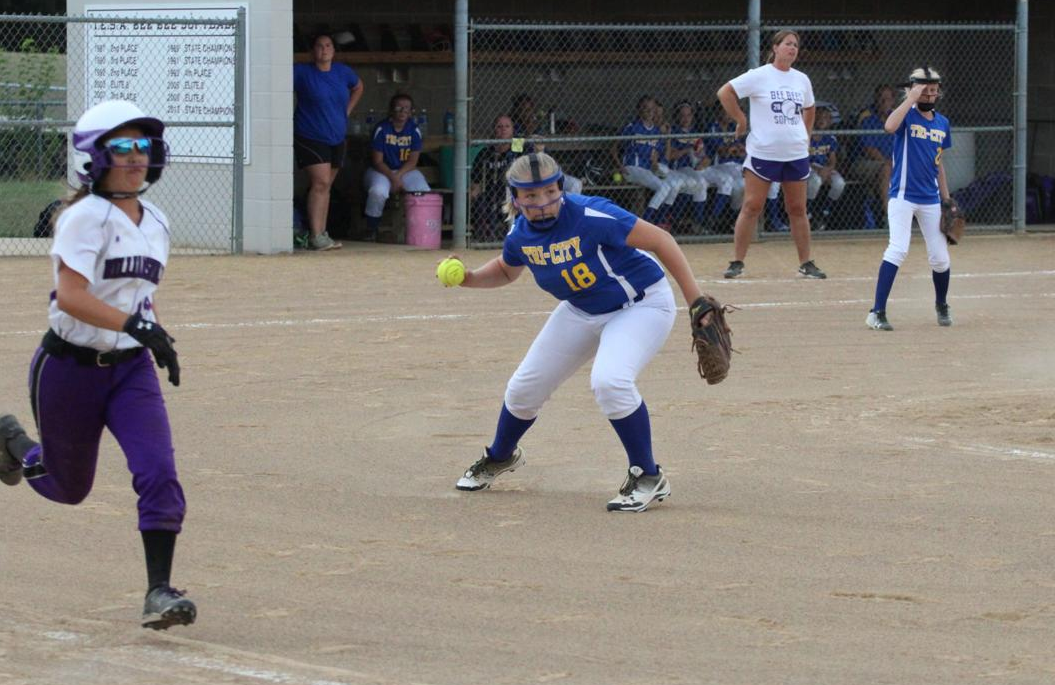
Repetition is the secret to becoming proficient in any skill. In the realm of youth baseball and softball, regular practice allows young players to better understand their positions on the field. This understanding leads to confidence. When a player is certain of what they need to do in a particular situation, they can act quickly and confidently. This confidence is not only essential for personal performance but also for the overall spirit of the team.
Take a young pitcher who has spent many practice hours fielding bunts. When a bunt is laid down in a game, the pitcher will instinctively know how to react because they’ve done it so many times in practice. This kind of confidence comes from repetition and is invaluable.
Pitching’s Importance in Defense
While most people might think that pitching is only about throwing strikes, pitchers are a key part of the defense. They are usually the first line of defense against bunts and slow rollers. In addition, they need to have quick reactions and decision-making skills. That’s why fielding drills are so important. They help prepare pitchers for these situations and make sure they’re ready to help their team on defense.
Improving Physical Abilities
Fielding drills are a great way to improve a range of physical abilities. Regular practice can help improve agility, speed, and hand-eye coordination. These skills are not only important for fielding, but they can also help improve overall athleticism, which can benefit young athletes in other sports and activities.
Furthermore, these drills are instrumental in helping players hone their reflexes and reaction time. This is especially crucial for pitchers, who must be quick to respond to balls hit back at them. Regular practice enables pitchers to anticipate plays and respond swiftly, reducing mistakes and bolstering their team’s defense.
Key Fielding Drills for Young Pitchers
With the importance of fielding drills in mind, let’s delve into some key drills that can aid young pitchers in enhancing their abilities. These drills target different facets of fielding and are made to be both demanding and enjoyable for young sportspeople.
Practicing Infield Communication
Every team sport requires good communication, and baseball and softball are no different. Practicing infield communication helps young players learn to communicate with their teammates effectively. This includes calling for the ball, signaling plays, and making sure everyone knows what’s going on. Good communication can prevent mistakes and ensure that plays are executed smoothly.
A straightforward drill is to get players to practice calling for pop-ups. Coaches can hit fly balls to different areas of the infield, and the players need to communicate to avoid bumping into each other and to make sure the ball is caught. This drill doesn’t just improve communication but also builds trust among teammates.
Backing Up in the Outfield
Train pitchers to back up bases when the ball is thrown from the outfield.
During live drills, practice running quickly to the right backup position.
Stress the importance of being prepared to respond to overthrows.
Backing up in the outfield is essential for stopping extra bases on overthrows. Pitchers need to know what to do in these situations and be ready to step in. By practicing these techniques, young pitchers learn to expect plays and respond quickly, providing additional defense for their team.
Rapid Response Drills
Begin with basic ground ball drills that require the pitcher to field the ball promptly.
Include bunt scenarios to practice rushing the ball and making rapid throws.
Utilize reaction balls or tennis balls to enhance hand-eye coordination and reflexes.
Rapid response drills are intended to fine-tune a pitcher’s capacity to react quickly to unforeseen circumstances. These drills concentrate on enhancing reaction speed and decision-making in high-pressure situations. By incorporating these drills into training, young pitchers learn to manage the high-speed nature of the game with confidence.
A great drill to try out uses a reaction ball, which bounces in unexpected directions, making the pitcher adapt and react fast. This drill not only boosts their reflexes but also helps players stay on their toes and concentrate during the game. On top of that, mixing up practice with different balls can add some spice and keep drills fun for the young athletes.
Adding a competitive twist to these exercises can inspire players. For instance, timing a pitcher on how fast they can field and throw a series of ground balls adds a fun challenge and promotes growth. Recognizing personal records and progress can build self-esteem and cultivate a passion for the sport.
Grasping the Importance of Base Coverage
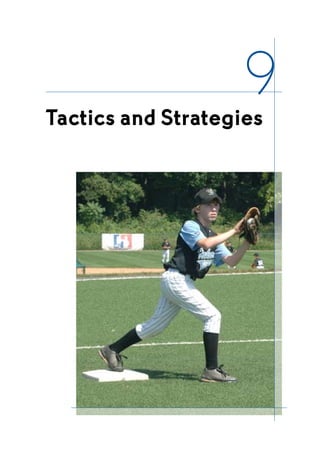
Base coverage is a crucial fielding skill that every pitcher needs to master. Understanding when and where to cover a base can prevent the other team from scoring runs and halt their momentum. This understanding is developed through targeted drills and open communication during training.
A popular drill known as “Pitcher’s Fielding Practice” teaches pitchers to cover first base when a ground ball is hit to the infield’s right side. Coaches can create different game-like situations, forcing pitchers to quickly decide whether to field the ball or cover the base. This drill helps pitchers understand their defensive responsibilities and build confidence in their decision-making skills.
Backup responsibilities are another crucial part of practice. Pitchers must be taught to back up throws to home plate and third base to make sure they are in the right place to stop extra bases on overthrows. This proactive strategy could mean the difference between a single and a run scored. For more defensive fielding tips, check out this resource.
“In practice, we have a drill where the pitcher has to cover first base. We create a scenario where the first baseman fields a ground ball, and the pitcher has to run quickly to cover the base. This drill highlights the importance of teamwork and communication on the field.”
How to Run Drills Effectively
Running drills effectively is all about planning, consistency, and skill development. Coaches should aim to create a structured practice environment where young athletes can learn and develop. Here are some ways to make sure that drills are both effective and fun for players, and you can explore more drills for baseball and fastpitch softball to enhance your practice sessions.
Staying Consistent in Training
Consistency is the name of the game in skill development. Regular training sessions help to reinforce techniques and build muscle memory. Coaches should strive to include fielding drills in every training session, ensuring that players get plenty of repetition to master their skills.
Establishing a practice routine can help players anticipate what is coming and mentally prepare for the practice. For instance, beginning each practice with a warm-up and then moving onto fielding drills can help create a sense of order and discipline. This routine not only helps players concentrate but also ensures that each practice session is as effective as possible.
Coaches can keep the drills interesting by making slight variations each time. They can introduce new challenges or adjust the intensity of the drills to keep the players engaged and motivated. Furthermore, giving immediate feedback during the drills can help the players make the necessary adjustments and encourage continuous improvement.
Keeping Tabs on Skill Development
It’s crucial for both coaches and players to keep track of progress. Coaches can pinpoint areas that need work and tweak drills as needed by monitoring skill progression. Players can also see how they’ve improved over time by keeping a record of their performance, which can increase their self-assurance and drive.
Video analysis is a tool that coaches can use to provide visual feedback. This allows players to see what they are doing right and what they need to improve on. This can be especially beneficial for young athletes because seeing themselves perform can make it easier for them to comprehend and fix their mistakes.
Using Positive Encouragement
Positive encouragement can be a great asset in coaching. Words of praise and acknowledging hard work can inspire players to work harder and aim for the best. Recognizing small successes and progress can help build a positive team spirit and cultivate a passion for the game.
It’s important for coaches to emphasize effort and improvement over mere results. Applauding a player for their grit and tenacity, even if they haven’t yet perfected a particular skill, can foster persistence and toughness. This strategy cultivates a growth mindset in players, a quality that is beneficial both on the diamond and in life.
Final Thoughts and Motivation
Fielding drills are crucial for creating well-rounded young pitchers.
Regular practice and clear communication are vital for skill growth.
Positive feedback helps to cultivate a passion for the sport and promotes constant development.
Coaching youth baseball and softball is an enriching experience. Observing young players mature and enhance their abilities is a reflection of the commitment and effort put in by both coaches and athletes. By concentrating on fielding drills and stressing the significance of defense, coaches can assist their players in becoming confident and proficient sportspeople.
Keep in mind, the endgame isn’t solely about winning. It’s about fostering a passion for the game and a dedication to both team and personal growth. Given the proper direction and encouragement, youth pitchers can evolve into versatile players who bring value to their teams.
We should keep cheering on our young sports stars, applauding their victories, and aiding them in their quest to reach their full potential. For more insights, explore youth sports coaching tips to better support their journey.
Never Stop Learning and Growing
Learning and growing is a never-ending journey. Coaches and players alike should welcome the chance to continuously grow. By remaining dedicated to learning and evolving, we can make sure that our young athletes not only excel on the field but also take important life skills with them into their future.
Highlighting the Importance of Team Participation
Team participation is key to the success of any youth sports program. When players feel they are a vital part of the team, their motivation and performance increases greatly. Coaches should create an atmosphere where every player feels appreciated and involved.
Encourage activities that foster team bonding outside of practice sessions.
Rotate leadership roles during practice sessions to give everyone an opportunity to lead.
Stress the importance of supporting teammates both on and off the field.
Building a strong team culture starts with the coach. By demonstrating inclusivity and respect, coaches can set a positive example for their players. When athletes understand the importance of working together, they become more invested in the team’s success.
Moreover, the team includes more than just the players. Parents and guardians are also a crucial part of the team, providing support for their child’s athletic pursuits. Coaches can help foster this by planning events where families can mingle and become acquainted. In doing so, they help build a supportive community that enriches the experience for everyone.
Common Questions and Answers
Coaching youth sports can be a learning process, and you may have a lot of questions. Here are some frequently asked questions and their answers to help you out. For more tailored guidance, explore coaching tailored training for different age groups.
What is the recommended frequency for young pitchers to do fielding drills?
It is recommended that young pitchers do fielding drills a minimum of two times per week. Regular practice helps to strengthen skills and develop muscle memory. By including fielding drills in regular practice sessions during the season, players can stay sharp and be prepared for game situations.
Why are fielding drills so important for pitchers?
Fielding drills provide a host of advantages for young pitchers. They help hone physical abilities such as agility, speed, and hand-eye coordination. Furthermore, these drills train pitchers to think on their feet and make intelligent decisions in high-pressure situations. This not only boosts their personal performance but also bolsters the team’s overall defense.
Fielding drills aren’t just about physical development. They also teach pitchers the importance of responsibility and teamwork. They learn how to communicate with their teammates to ensure plays are executed smoothly and errors are minimized. This helps build their confidence and prepares them for different game situations.
First and foremost, fielding drills allow pitchers to comprehend their defensive role. By rehearsing various situations, pitchers get accustomed to their duties and cultivate the capacity to foresee plays. This understanding is priceless in matches and can mean the difference between a triumphant defensive move and a pricey blunder.
How can coaches promote regular training?
Coaches can promote regular training by designing an organised and interactive training atmosphere. Establishing transparent expectations and objectives for each session aids players in comprehending the reason for their training. Moreover, adding enjoyable components and friendly rivalry can keep players driven and eager to progress.
What specific skills do fielding drills enhance?
Fielding drills enhance a variety of skills crucial for youth pitchers. Agility and quick reflexes are developed through drills that require fast movements and reactions. Hand-eye coordination is improved by practicing catching and throwing with accuracy. These skills are essential for effective fielding and contribute to overall athleticism.
What can parents do to help their child practice at home?
Parents can help their child practice at home by offering encouragement and creating more chances for practice. They can set up easy drills in the backyard or at a nearby park to strengthen the skills their child learned during team practice. Parents can also join in by playing catch or hitting ground balls, turning practice into an enjoyable and bonding activity.
Moreover, parents can lend a hand by making sure their child has the required gear and is ready for practice. Promoting a positive mindset and underlining the significance of effort and progress over flawlessness can enhance a child’s self-assurance and pleasure in the sport.
What are the common errors to avoid during drills?
A frequent error during drills is concentrating too much on speed and not enough on precision. Quick reactions are beneficial, but it is critical to have good technique and execution for skill development. Coaches should stress the importance of quality over quantity, allowing players to concentrate on perfecting each drill.
Another common error is the lack of communication. Good communication is key to successful fielding and should be included in drills through verbal signals and team building. Coaches should push their players to communicate in a clear and confident manner during drills, underlining the importance of teamwork.
Lastly, don’t forget to mix things up to avoid boredom. Drills can become monotonous and boring if they are repeated without variation. To keep players interested and motivated, coaches should introduce new challenges and variations. This not only makes practice more fun, but it also helps players adapt to different game situations.

Leave a Reply