Welcome to youth baseball, where building a solid batting foundation is crucial for turning young players into confident hitters. Today, we will explore effective batting drills that can improve both contact and batting average for youth players. These drills are designed to be fun, practical, and can be practiced anywhere, whether at home or on the field.
Highlights
- Effective hitting hinges on the regular practice of the correct stance and grip.
- Control during a swing is maintained by balance and posture.
- Visual tracking techniques like the Bullpen Stand-In Drill help with pitch recognition.
- Weighted bats can greatly increase bat speed and strength.
- Consistency in practice drills leads to better contact and a higher batting average.
Powerful Youth Baseball Batting Drills for Consistent Contact & Average
Batting drills are the foundation of a young baseball player’s development. They instill the skills necessary to make consistent contact with the ball and raise batting averages. With the right drills, players can improve their swing mechanics, gain confidence, and ultimately, become more effective hitters.

“7 Best Fun Drills For Youth Baseball In …” from www.justbats.com and used with no modifications.
First and foremost, these drills should be enjoyable and engaging. After all, the more fun the practice, the more likely young players will stick with it and get better over time. Let’s start by focusing on building a strong foundation for hitting.
Creating a Solid Base
Creating a solid base in youth baseball starts with the essentials: stance and grip. These components lay the groundwork for a successful swing and are vital for young players to learn from the beginning. A good stance provides balance, while a good grip ensures command of the bat.
Why Getting the Stance and Grip Right Matters
The stance is the foundation of a good swing. A solid stance gives players the balance they need to generate power and control their swing. For more insights, explore these youth hitting drills that can help improve your game.
- Stand with your feet shoulder-width apart.
- Keep your knees slightly bent and ready to move.
- Balance your weight evenly on the balls of your feet.
After you have your stance, it’s time to grip the bat. You want your grip to be firm but relaxed so you can make quick adjustments while swinging. One tip is to align your knuckles, which can help keep the bat level and controlled.
The Importance of Balance and Posture for Hitting Success
Balance and posture are the keys to successful hitting. A hitter who is well-balanced can react quickly and adjust to various pitches, resulting in better ball contact. Proper posture aids in maintaining this balance and guarantees a fluid and strong swing.
In addition to this, keeping the right posture can help to avoid players from lunging at the ball, a typical error that can cause swings to be missed or contact to be weak. Stress the need to remain upright and keep the head still during the swing.
Eye on the Ball Techniques
Keeping your eye on the ball is another essential aspect of hitting. It requires the skill to watch the ball from the moment it leaves the pitcher’s hand to the moment it hits the bat. Enhancing your ability to keep your eye on the ball can result in improved pitch identification and more regular contact.

Recognizing Pitches with the Bullpen Stand-In Drill
One of the best ways to enhance pitch recognition is through the Bullpen Stand-In Drill. During this drill, players position themselves in the batter’s box and watch as a pitcher throws a variety of pitches. The objective is not to take a swing, but to identify the pitch and its location. This drill is a fantastic way for players to fine-tune their eye for different pitches, a skill that is crucial during a game. For more tips on improving your hitting skills, check out these youth hitting drills.
Flamingo Float Drill for Improved Balance and Concentration
The Flamingo Float Drill is designed to improve balance and concentration. Players stand on one leg, mimicking a flamingo, and practice their swing. This drill requires focus and helps players develop a sense of balance that they can use to control their swings more effectively. It’s a fun drill that can significantly improve a player’s performance.
Improving Consistent Contact
Improving consistent contact is vital for young baseball players. Consistency indicates that each time they step up to bat, they possess the skills and self-assurance to hit the ball successfully. This necessitates practice and patience, but it can be accomplished with the appropriate drills.
Drills that are designed to improve contact can help players improve their swing mechanics, timing, and hand-eye coordination. These drills are meant to be done over and over again, which can help players develop muscle memory and get better over time.
Tee Work for Accuracy and Mastery
One of the most basic drills for enhancing accuracy and mastery is tee work. When players hit a ball that isn’t moving, they can concentrate on the mechanics of their swing without having to time a pitch. This gives them the opportunity to work on specific parts of their swing, like the angle of the bat and the follow-through.
Maximize tee work by adjusting the tee to various heights and positions. This allows players to adapt their swing to accommodate different pitch locations, a skill that is crucial for consistently hitting the ball during games. For more tips on improving your swing, check out these coaching tips and drills.
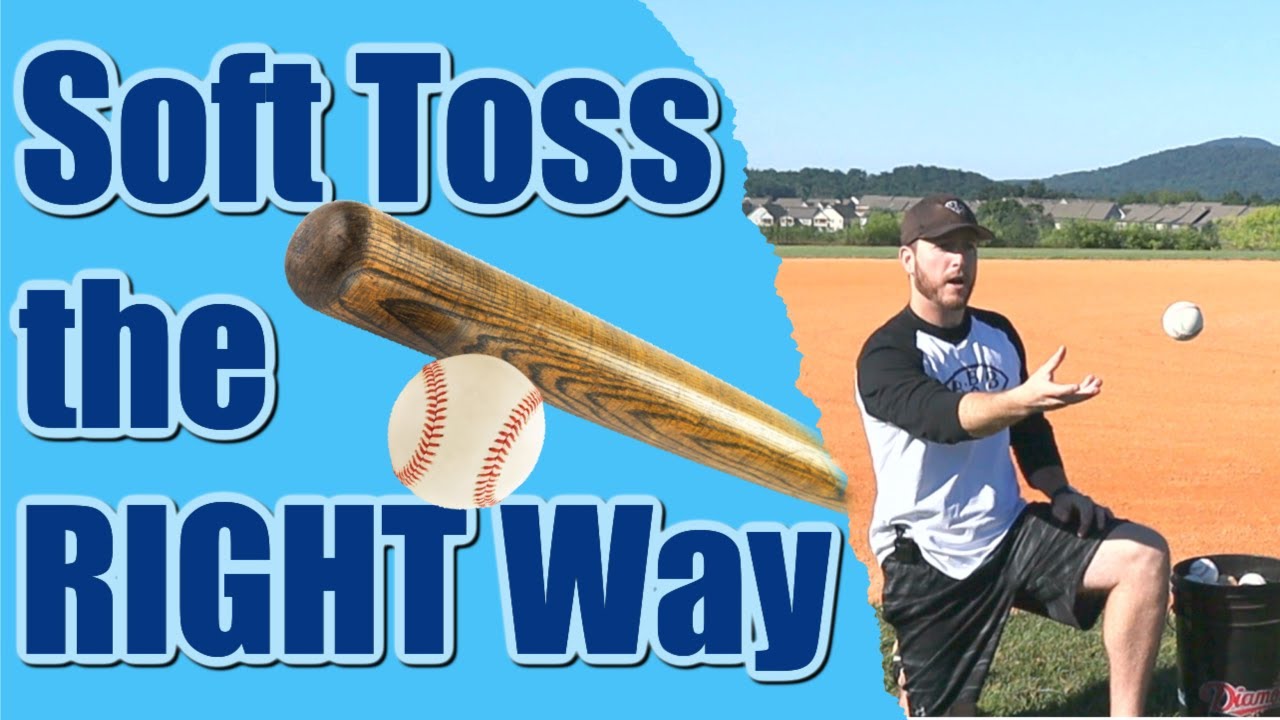
Polishing Timing with the Soft Toss Drill
The soft toss drill is a great way to polish timing and improve hand-eye coordination. The drill involves a coach or teammate gently tossing the ball underhand to the batter, who aims to make solid contact. The tosses should be consistent and at a speed that the player finds comfortable.
Front Toss Drills to Improve Swing Adjustments
Front toss drills are an upgrade from soft toss drills because they add more speed and mix up the pitch location. This lets players practice adjusting their swing in real-time, which is what they’ll have to do during games. Players should concentrate on staying balanced and keeping their eyes on the ball as it comes in. For more tips on improving your swing, check out these youth hitting drills.
Not only do front toss drills enhance timing, they also teach players how to interpret the ball off the bat, which provides immediate feedback on their swing. This is crucial for making changes and improving the consistency of contact.
Game-like Batting Practice for Real Life Application
Game-like batting practice is where the magic happens. In this drill, players are up against live pitching, just as they would in a real game. This is the ultimate test of their abilities and gives them a chance to put everything they’ve learned in practice into action.
During live batting practice, mix in fastballs, curveballs, and changeups to simulate game situations. Players should concentrate on making solid contact and keeping their balance during the swing. The more they practice in a setting that resembles a game, the more at ease they’ll be at the plate.
Choosing Consistency Over Strength
Even though strength is admirable, a high batting average is frequently more beneficial in youth baseball. Consistent contact results in more hits and, as a result, more runs scored. To accomplish this, players should concentrate on controlled swings and making solid contact with the ball.
Here are some tips for young baseball players looking to improve their batting average:
- Don’t try to hit a home run every time; focus on making contact with the ball.
- Use a level swing to increase your chances of hitting line drives.
- Stay relaxed and don’t over-swing. You’ll have more control and be more likely to make contact with the ball.
By following these strategies, you can improve your batting average and contribute more to your team’s success. Remember, a well-placed single can be just as valuable as a home run.
When players focus on average instead of power, they learn to be patient and wait for the right pitch to hit. This strategy results in fewer strikeouts and more chances to get on base. For more insights on effective practice techniques, explore these kids baseball practice drills.
Grasping the Influence of Controlled Swings on Batting Average
Controlled swings play a key role in keeping a high batting average. When a player uses a controlled swing, they are more concerned with making contact than hitting a home run. This method boosts the chances of hitting the ball squarely, leading to more hits.

Urge athletes to concentrate on their swing trajectory and follow-through. Keeping the bat in the strike zone for a longer period of time increases the odds of making contact. It’s crucial for the player to keep their balance and control throughout the swing, and a good follow-through ensures this.
First and foremost, let your players know that a controlled swing doesn’t mean a weak one. The goal is to use accurate and proper mechanics to make solid contact with the ball.
How to Cut Down on Strikeouts
One way to improve batting average is to cut down on strikeouts. Here are some tips to help players strike out less:
Here are some tips to help young players improve their hitting skills:
- Players should be taught to keep their eye on the ball and follow it all the way to the bat.
- Players should learn to identify different types of pitches and how they move.
- Players should practice hitting with two strikes, concentrating on making contact rather than swinging hard.
By following these tips, players can decrease their strikeout rate and increase their likelihood of getting on base. Remember, every at-bat is a chance to learn and get better.
Importance of Safety and Equipment
When it comes to youth baseball, safety should always be a top priority. This means having the right equipment to keep players safe. Not only does the right gear keep players safe, but it also helps them perform better because they can focus on the game.
How to Select the Best Batting Gear
It’s important to select the best batting gear for both safety and performance. Here are some things to think about:
- Helmet: Make sure it fits tightly and covers the entire head.
- Bat: Pick the correct length and weight for the player’s age and skill level.
- Gloves: Batting gloves can improve grip and help avoid blisters.
Getting the right gear means players can concentrate on playing well instead of worrying about safety. Keep in mind, the right gear can greatly improve a player’s confidence and performance on the field.
Why Protective Equipment is a Must-Have for Youth Baseball Players
When it comes to youth baseball, having the right protective equipment isn’t just about following the rules. It’s also about keeping young players safe and helping them feel more confident when they step up to the plate. The right equipment can help prevent injuries and allow players to concentrate on improving their game. For parents looking for guidance, here’s a guide to the best youth baseball training equipment to ensure your child is well-protected on the field.
- Helmet: A helmet that fits well is essential to protect the head from stray pitches and foul balls. It should fit snugly but not be too tight.
- Batting Gloves: These assist in keeping a strong grip on the bat and preventing blisters during extended practice sessions.
- Chest Protectors and Shin Guards: While not always required, these can provide extra protection, especially for catchers.
While it may seem expensive to invest in high-quality equipment upfront, it pays off in terms of player safety and confidence. Keep in mind, players who feel safe play better and with more enthusiasm.
Moreover, constant inspections and upkeep of the gear guarantee that it stays in top shape and continues to offer the required protection.
Common Questions and Answers
As we conclude our journey through youth baseball batting drills, we’ll tackle some typical questions that players, coaches, and parents often have. These responses should clear up any remaining uncertainties and offer useful advice.
At what age should young players begin batting practice?
Young players can begin batting practice as early as five or six years old. At this point, the emphasis should be on developing fundamental hand-eye coordination and enjoying the sport. As they get older and more skilled, they can move on to more challenging practice drills.
It’s crucial to make sure the drills are suitable for their age and that the kids are having fun. The aim is to gradually improve their skills while cultivating their passion for the sport.
What is the recommended frequency for batting drills?
Young players should aim to practice their batting drills about two to three times each week to see the best results. Regularity is crucial when it comes to muscle memory and refining technique. But remember, it’s also important to keep things interesting and avoid overworking, so make sure to mix up the drills.
By adding in days of rest and other enjoyable activities, you can keep the players engaged and excited about the game.
How can youth players increase their bat speed?
Increasing bat speed in youth players requires a mix of honing technique and building strength. Here are some suggestions:
- Concentrate on having the right swing techniques to guarantee power and efficiency.
- Include exercises that stress the importance of rapid hands and explosive actions.
- Utilize weighted bats sparingly to increase strength and velocity.
What can a young player do to improve their batting average?
Young players should strive to hit the ball consistently in order to improve their batting average. Here are a few suggestions:
- Focus on making controlled swings rather than powerful ones to ensure you make solid contact with the ball.
- Learn to recognize different types of pitches and their locations.
- Learn to hit to all fields to take advantage of pitches in different locations.
What drills can I do to improve my hand-eye coordination?
Hand-eye coordination is key to being a successful hitter. Here are some drills that can help:
- Ball Toss Drill: Gently toss a ball to the player and have them hit it with a small bat or stick to sharpen their focus and coordination.
- Reaction Ball Drill: Use a reaction ball that bounces in unexpected directions to boost reflexes and hand-eye coordination.
What role does a player’s mindset play in batting?
A player’s mindset plays a crucial role in batting. Confidence and focus can greatly influence a player’s performance at the plate. Here are some suggestions for developing a robust mindset:
Here are some tips for developing a positive mindset:
- Encourage your players to use positive self-talk and visualization techniques.
- Teach them how to stay calm and composed, even when they’re under pressure.
- Help them create a routine that gets them mentally ready for each at-bat.
When players approach each at-bat with confidence and focus, they’re more likely to get a hit. For more coaching tips, check out this guide on being a Little League baseball coach.
Are there specific drills for left-handed batters?
Left-handed batters can benefit from the same drills as right-handed batters, but with some adjustments to accommodate their stance and swing. For instance, when practicing tee work or soft toss, ensure that the drills are set up to mirror game situations for left-handed batters.
How can you ensure that young players stay focused during practice?
To ensure that young players stay focused during practice, you need to combine elements of enjoyment, diversity, and motivation. Here are some suggestions:
- Make practice fun by adding games and friendly contests.
- Keep players interested and challenged by changing up drills regularly.
- Boost team spirit by giving positive feedback and celebrating small wins.
Keeping practices positive and lively will help players stay interested and motivated to get better.
Ultimately, successful youth baseball batting drills are crucial in molding young players into self-assured and proficient hitters. By emphasizing the basics, including variety, and putting safety first, we can assist our players in realizing their maximum potential on the field.

Leave a Reply