Main Points
- Training for baseball at home can significantly enhance your abilities with the correct exercises and gear.
- There are various types of pitching machines, and the right one for you depends on your abilities and training objectives.
- For beginners, basic drills include tee work and soft toss, while more advanced players can work on live pitching and situational hitting.
- Key equipment for home drills includes a batting tee, net, and an appropriate pitching machine.
- Monitoring your progress and adjusting your training routine is vital for ongoing improvement.
Immediate Steps for Improving Baseball Skills at Home
Enhancing your baseball skills at home begins with grasping the basics and having the correct mindset. Start by identifying your strong points and areas for improvement. Are you having trouble with fast pitches, or is your swing inconsistent? Knowing what to work on will guide your training sessions.
- Evaluate where your skills are currently.
- Formulate realistic and attainable goals.
- Designate a specific area for practice.
- Collect all the equipment you will need.
- Develop a consistent schedule for practicing.
It’s essential to have a specific area set aside for practicing. Find a place where you can safely work on your skills, like a backyard or a garage. Make sure you have enough space to swing a bat, and get a net to catch the balls.

Why Train at Home?
Practicing at home has many benefits. You can work at your own speed and on your own time, which you might not be able to do at team practices. Plus, it can be more relaxed and less scary, especially for those who are new to the sport. For more tips, check out these baseball and softball drills to enhance your training sessions.
Furthermore, practicing regularly at home can greatly enhance your skills. By continuously focusing on your weak points, you will notice improvement over time, which can increase your self-confidence during real games. For those looking to supplement their training, using a pitching machine can provide consistent practice opportunities.
Getting to Know Drills and Machines as Essential Equipment
Drills and pitching machines are vital elements of successful baseball training. Drills allow you to concentrate on particular skills, like batting or fielding, while pitching machines offer steady pitches for you to practice against. This combination is potent for refining your abilities.
It’s important to mix up your drills and match them to your ability. If you’re just starting out, basic drills like hitting off a tee can help you master the basics. As you improve, you can start to introduce more complex drills that imitate real game situations. Pitching machines are great because they can be adjusted to pitch at different speeds and types, letting you practice against a variety of pitches.
Selecting the Appropriate Pitching Machine
Deciding on the best pitching machine can greatly affect your training. It’s crucial to comprehend the various types available and what each provides. The best machine should correspond to your proficiency level and training requirements. For a detailed comparison, check out this pitching machine brand comparison.

Different Kinds of Pitching Machines
There are several types of pitching machines, such as arm-style, wheel-style, and compressed air machines. Each of these machines has its strengths and weaknesses, so it’s important to select one that meets your training needs. For advanced training, consider exploring advanced pitching techniques to enhance your skills further.
Arm-style machines are excellent for mimicking a pitcher’s motion, giving a more lifelike practice session. Wheel-style machines are adaptable, providing a range of pitch speeds and styles. Compressed air machines are usually pricier but deliver high precision and consistent speed. For more advanced insights, check out these advanced pitching techniques.
What to Keep in Mind When Buying
When you’re in the market for a pitching machine, think about its cost, how easy it is to move, and the variety of pitches it can throw. But most importantly, make sure it can keep up with you as you get better. A machine that only throws slow pitches may not be useful for very long as you improve.
Also, keep in mind where you’ll be using the machine. If you’re going to be practicing in various places, a model that’s lightweight and easy to carry might be a better fit. Think about the power source too. Some machines need to be plugged in, while others are battery operated.
Advice for Boosting the Productivity of Your Drills
For you to gain the most from your training, you must optimize the productivity of your drills. Begin by making sure each drill has a precise aim. Whether you’re refining your swing mechanics or enhancing your timing, having a definite goal aids in keeping your focus. For more tips on refining your swing, check out these baseball and softball drills.
Here are a few pointers on how to improve the effectiveness of your drills:
- Warm Up: Start each session with a warm-up to prevent injuries and prepare your body for intense activity.
- Time Yourself: Use a timer for each drill to stay focused and not spend too much time on one exercise.
- Keep Track: Keep a record of your practice sessions, noting what went well and what needs to be improved.
- Avoid Distractions: Choose a quiet location and put away any distractions, such as phones or other devices, to keep your focus on the task at hand.
Using Pitching Machines in Drills
Pitching machines are a great tool for simulating game-like conditions. Incorporating them into your drills can greatly improve your practice sessions. They provide consistent pitches, allowing you to concentrate on perfecting your swing and timing. For more tips on improving your swing, check out these baseball drills for slow swings.

First, set the machine to a speed that aligns with your current skill level. As you get more comfortable, slowly increase the speed to further challenge yourself. The goal is to improve your reaction time and accuracy.
Also, try to recreate game scenarios by alternating the types of pitches. Incorporate fastballs, curveballs, and sliders to make sure you’re ready for anything you might encounter in a game. This variety keeps your training lively and interesting.
How to Set Up Your Pitching Machine
It is crucial to correctly set up your pitching machine for the most effective training. Start by positioning the machine on a surface that is steady to stop it from shifting while it’s being used. Make sure it’s properly lined up with your training space, whether that’s a batting cage or an open field.
Alter the settings on your machine to match your training objectives. If you’re just starting out, begin with slower pitches to gain confidence. Players with more experience can increase the machine’s speed to mimic real-world conditions. Always remember to check the machine’s power source to make sure it’s working properly.
Finally, always adhere to the manufacturer’s guidelines for setup and operation. This will help you avoid any technical problems and ensure the machine’s longevity.
Designing a Well-rounded Workout Plan
Having a well-thought-out workout plan is crucial for steady progress. It’s all about balance; you need to focus on different parts of your game without overemphasizing one. Set aside certain days for batting practice, fielding exercises, and fitness drills.
For example, you could spend Mondays and Thursdays on batting practice, working on various drills each time. Fielding and agility exercises could be the focus on Tuesdays and Fridays. This mix guarantees you’re honing all the essential skills to become a versatile player.
Keeping Your Pitching Machine in Top Shape
It’s important to take good care of your pitching machine to ensure it lasts a long time and performs well. Regularly check the machine for any loose screws or parts that may be damaged. After each use, make sure to clean the machine to remove any dirt or other debris that could impact how well it works. For more advanced maintenance techniques, consider exploring advanced pitching techniques that could enhance your equipment’s performance.
Remember, safety is always first. Always put on your safety gear, such as helmets and batting gloves, during practice. Make sure the machine is far enough from the batter to prevent any injuries. Lastly, never leave the machine running unattended.
Monitoring Your Training Progress and Performance
It’s crucial to keep an eye on your progress to see how you’re improving over time. Establish clear, quantifiable goals for each training session and measure your performance against these targets.
“The secret to success is constant practice and self-assessment. By keeping tabs on your progress, you can pinpoint the areas that need work and tailor your training to fit those needs.” – Coach Mike
Think about using video analysis tools to check out your performance. Seeing yourself in action can help you spot tiny mistakes in your technique that you might not have noticed otherwise.
Monitoring Progression
It’s important to keep a comprehensive record of your training sessions, including the drills you’ve done and any progress you’ve noticed. This record will enable you to spot trends in your performance over time and determine which drills work best for you.
Also, establish long-term objectives, like boosting your batting average or enhancing your fielding percentage. Consistently evaluate your progress in reaching these objectives and modify your training regimen as required.
Modifying Drills to Match Your Abilities
It’s crucial to adjust your drills as your skills improve. If you notice a drill has become too simple, make it more challenging by introducing new aspects or upping the intensity. For more advanced techniques, consider exploring resources on mastering the machine to enhance your training regimen.
On the other hand, if a drill seems too difficult, divide it into smaller, more manageable parts. Concentrate on mastering each part before trying the entire drill again.
Assessing Your Progress
After each training period, make sure to assess how you did. Think about what you did well and what you need to work on. This self-assessment will help you set new targets and tweak your training schedule. For more insights, explore innovative training techniques that can enhance your skills.
If you can, have a conversation about your progress with a coach or mentor. They can give you valuable insights and make sure you’re on the right path to reaching your baseball goals.
Typical Problems and Answers for Home Training
Training at home has its own set of problems. Lack of space, not having the right equipment, and keeping up the motivation can all be barriers to effective training. But, with the right strategies, these problems can be solved.
Many people struggle with finding a large enough area to practice. If you’re short on space, concentrate on drills that don’t require a lot of movement, like tee work or soft toss. You can also use a net to keep balls from flying everywhere and causing damage.
Dealing with Limited Space
If you’re dealing with limited space, you’ll need to get creative. Consider using collapsible nets or portable batting cages. These can be set up and taken down easily, and they allow you to practice effectively without needing a lot of space.
Also, concentrate on drills that don’t necessitate a full swing, like practicing bunts or hand-eye coordination activities. These can be completed in smaller areas while still offering important training advantages.
Keeping the Drive Alive Without a Coach
Keeping the drive alive without a coach can be tough, but it’s not unachievable. The trick is to set clear, attainable goals and remind yourself why you started playing baseball to begin with. Whether it’s the excitement of hitting a home run or the happiness of enhancing your skills, keep your love for the game at the forefront.
Moreover, try to find methods to make your practice sessions more fun. You could listen to your favorite tunes while you train or even set up some friendly contests with your family members. These minor tweaks can greatly help in keeping you motivated and concentrated.
Getting used to training by yourself
When you train alone, you need to be disciplined and inventive. You don’t have a team or a coach to guide you, so you have to make sure that you’re making the most of each practice session. You should create a structured plan for each session, which includes the drills you’re going to do and the goals you want to achieve.
Take advantage of technology. Film your sessions to revisit your performance and pinpoint areas that need improvement. Apps and online tools can also offer direction and inspiration for new drills and techniques.
Commonly Asked Questions
Check out these frequently asked questions and answers to help you navigate your at-home baseball training experience.
What drills are most suitable for beginners?
For beginners, it’s best to concentrate on basic drills that build foundational skills. Tee work is great for bettering swing mechanics, and soft toss is beneficial for timing and hand-eye coordination. These drills are simple to set up at home and need only a small amount of equipment.
What’s the best way to keep my pitching machine in top condition?
It’s important to regularly maintain your pitching machine to keep it working well. After each use, clean it to get rid of any dirt or debris. Check for any screws that might be loose or parts that might be damaged, and tighten or replace them as needed. To keep it running smoothly, lubricate the moving parts as per the manufacturer’s instructions.
- Regularly check your machine for signs of wear and tear.
- Adhere to the maintenance instructions provided by the manufacturer.
- When not in use, keep your machine in a dry, secure location.
Appropriate upkeep will extend the lifespan of your machine and guarantee it functions at its best during practice.
Do pitching machines offer different types of pitches?
Absolutely, a lot of pitching machines can mimic a range of pitches, such as fastballs, curveballs, and sliders. This flexibility lets you train against various pitch types, getting you ready for actual game situations. You can alter the machine’s settings to change the pitch speed and type based on your practice requirements. For more information, check out this comprehensive guide on different pitching machine brands.
For instance, you can have the machine pitch fastballs in one training session and curveballs in the next. This variety keeps your training lively and boosts your adaptability to various pitches.
Effective home hitting drills and the use of pitching machines are essential for enhancing performance in baseball. By incorporating these tools, players can improve their timing, hand-eye coordination, and overall batting skills. For those looking to invest in equipment, it’s important to consider various options. You can explore a comprehensive guide on pitching machine brand comparison to find the best fit for your needs.
How many times a week should I practice hitting at home?
How often you practice at home will depend on your own personal goals and the time you have available. If you’re a beginner, you might find that practicing two to three times a week is sufficient to build a solid foundation. If you’re more experienced, you might want to practice four to five times a week to keep your skills sharp and stay at the top of your game.
Keeping a consistent schedule is important, but also make sure to listen to your body to avoid overtraining, which can lead to burnout or injury. For more insights on maintaining a balanced training routine, consider reading about Mastering the Machine.
What drills can improve my batting power?
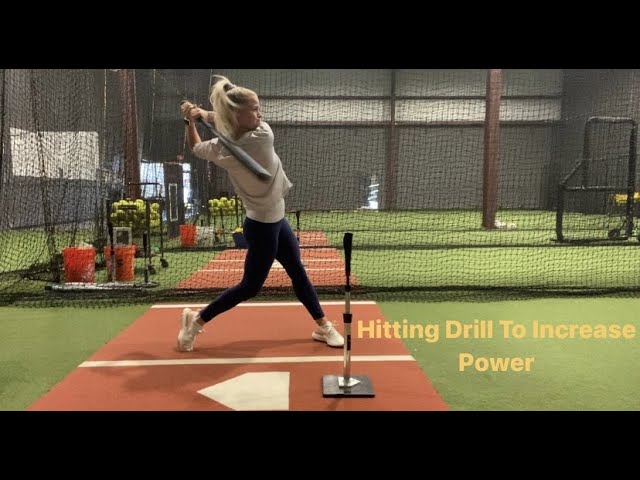
If you want to boost your batting power, you should focus on drills that can help improve your strength and technique. Swinging a weighted bat can help you build muscle and improve your swing speed. Plus, practicing with resistance bands can help you increase your overall strength and explosiveness. For more insights, check out these baseball drills for slow swings.
The “long tee” drill is another useful exercise. In this drill, you position the tee further back and concentrate on hitting the ball with force. This drill aids in the development of the muscles required for strong hits.
Can players of all ages use pitching machines?
Yes, players of all ages can use pitching machines. However, it is crucial to pick a machine that matches the player’s age and skill level. For younger players, choose a machine that can throw slower pitches and is easy to adjust. As they get older and their skills develop, they can move up to more advanced machines that can throw faster pitches and offer a variety of pitch types.
How can I balance drills and game practice effectively?
It’s important to strike a balance between drills and game practice for comprehensive growth. Drills help you to hone specific skills, while game practice gives you the opportunity to implement these skills in a real game scenario. Try to allot equal time to both aspects of your training.
For example, you could use the first part of your training session for drills and the second part for simulated game situations. This method guarantees that you’re developing abilities while also learning how to use them when the pressure is on.
What safety precautions should I take during practice?
During practice, safety should always come first. Always wear the right protective gear, like helmets and batting gloves. Make sure your practice space is clear of obstructions and hazards, and use a net to catch balls and prevent damage or injury. For more tips on enhancing your practice sessions, explore these innovative training techniques.
Always remember to stand at a safe distance from a pitching machine and never in front of it. Adhere to the safety guidelines provided by the manufacturer and never leave the machine on without supervision.
When it comes to improving your baseball skills, practicing at home can be incredibly beneficial. Incorporating effective home hitting drills can significantly enhance your performance. Additionally, using pitching machines can simulate real game scenarios, allowing you to practice your timing and swing mechanics. For those looking to further develop their skills, exploring how to get better at hitting in baseball can provide valuable insights and techniques.

Leave a Reply