As a parent or coach, the safety and health of young athletes is always a top concern. This is especially true for youth pitchers, where proper arm care is essential to prevent injuries and promote a long, healthy sports career. Here’s how you can protect your child’s arm with the right equipment and care routines.
Key Points
- Resistance bands are a critical tool for stretching and strengthening the arms of young pitchers.
- Weighted balls can be used in controlled throwing drills to build arm strength.
- Ice wraps and cooling systems can help with post-game recovery and reduce inflammation.
- Properly fitting protective gear, such as helmets and chest protectors, is crucial for safety.
- Establishing a comprehensive arm care routine is crucial for reducing the risk of injury and enhancing performance.
Why Arm Care Equipment is Beneficial for Youth Pitchers
Arm care equipment provides a variety of benefits, not just injury prevention. With the right tools, young pitchers can improve their performance and have a longer baseball career. This equipment is designed to provide support, improve strength, and aid in recovery.
Minimizing the Chance of Injury
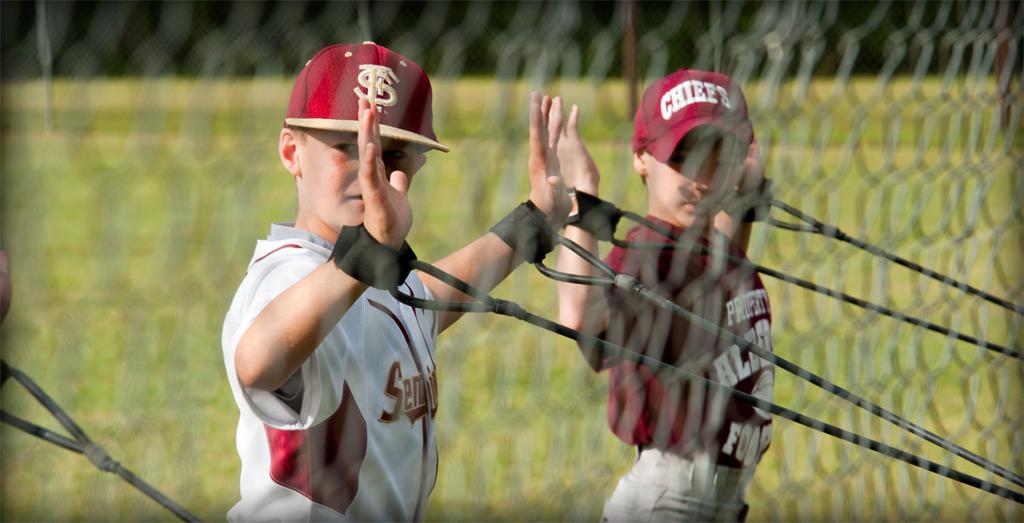
The main advantage of arm care equipment is that it helps prevent injuries. Young pitchers are especially at risk of overuse injuries because pitching is a repetitive action. If we incorporate equipment such as resistance bands and compression sleeves into their routines, we can greatly decrease the likelihood of typical injuries like rotator cuff strains and elbow inflammation.
Boosting Performance and Career Longevity
Not only does proper arm care help to prevent injuries, but it can also boost a young pitcher’s performance. Exercises designed to strengthen the arm can improve both arm strength and endurance, allowing pitchers to throw harder and with more precision. Plus, by keeping their arms healthy, young athletes can look forward to a longer career in the sport, without being sidelined by serious injuries.
Recognizing Typical Arm Injuries in Youth Pitchers
It’s crucial to recognize the typical arm injuries that youth pitchers experience in order to create a successful prevention strategy. Recognizing symptoms early on can assist in dealing with problems before they become severe.
Young pitchers commonly experience injuries such as rotator cuff strains, elbow inflammation, and growth plate injuries. These injuries often occur due to overuse and incorrect technique, highlighting the importance of proper training and care.
Rotator Cuff Injuries
Rotator cuff injuries happen when the muscles and tendons that surround the shoulder joint are stretched too far or tear. This type of injury is often the result of repeated throwing motions, which put a lot of stress on the shoulder. Symptoms include pain, weakness, and a limited ability to move the shoulder.
Elbow Swelling and Tendonitis
Elbow swelling, also known as “pitcher’s elbow,” is caused by the constant stress on the elbow joint during pitching. This can cause tendonitis, which is the swelling of the tendons in the elbow. Symptoms include pain, swelling, and trouble in fully extending the arm.
Injuries to the Growth Plate
Injuries to the growth plate are a special concern for young athletes. Growth plates are developing tissue areas at the ends of long bones, and they are especially susceptible to injury in children and adolescents. Overuse and high-impact activities can harm these growth plates, causing pain and possible long-term complications.
Arm Care Equipment Essentials for Youngsters
In order to provide young pitchers with the best protection, it is crucial to invest in the right arm care equipment. This equipment helps with strengthening, recovery, and preventing injuries.
Resistance Bands for Flexibility and Muscle Building
- Resistance bands are flexible tools that aid in stretching and building the muscles around the shoulder and elbow.
- They are simple to use and can be added to warm-up and cool-down routines.
- By consistently using resistance bands, young pitchers can enhance their flexibility and decrease the likelihood of muscle strains.
It’s vital to make sure that the resistance bands are of suitable tension for the child’s age and strength level. Using bands that are too heavy can result in injury, while bands that are too light may not offer enough resistance for effective muscle building. For more tips on youth pitchers, check out youth arm care strategies.
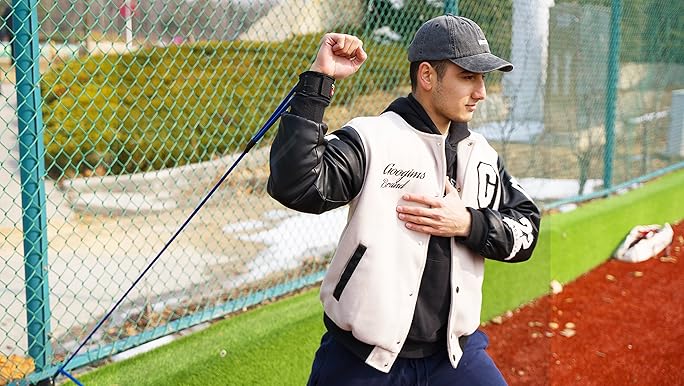
Adding resistance bands to their daily workouts can make a world of difference for young athletes. They not only help to build strength but also enhance coordination and control, both of which are crucial for successful pitching. For more information on arm care, check out this guide on youth arm care.
Weighted Balls for Throwing Exercise
- Weighted balls are beneficial for boosting arm strength and refining throwing techniques.
- They should be used with supervision to maintain correct form and prevent overworking.
- These balls aid pitchers in developing a more powerful arm, resulting in better performance during games.
It’s crucial to start with lighter weighted balls and slowly increase the weight as the pitcher’s strength develops when using them. This slow progression helps avoid injuries and ensures that the young athlete is gaining strength in a safe manner.
Weighted balls can be a great asset in a pitcher’s training routine, but they should be used with care. It’s crucial to have a coach or trainer’s proper guidance to ensure that the drills are done right and safely.
Essential Ice Wraps and Cooling Systems
Every young pitcher needs ice wraps and cooling systems for post-game recovery. After a strenuous game or practice, it’s important to apply ice to the shoulder and elbow to help reduce inflammation and prevent soreness.
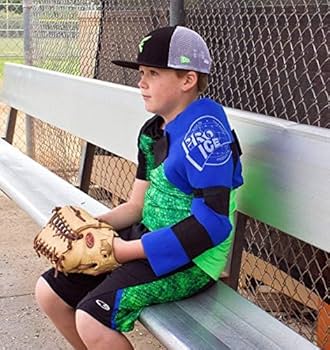
Young pitchers can recover faster and be ready for their next game or practice by incorporating ice wraps into their routine. These cooling systems are easy to use and can be applied immediately after physical activity. For more tips on improving your child’s game, check out these youth baseball practice drills.
Consistent use of ice wraps can help manage ongoing pain and prevent injuries over time. It’s a basic but powerful tool that all young pitchers should include in their arm care arsenal.
Support and Recovery with Compression Sleeves
Every young pitcher should have a compression sleeve in their gear bag. The gentle pressure from the sleeve increases blood circulation and decreases muscle fatigue. Wearing a compression sleeve during and after games can speed up recovery and decrease soreness for young athletes.
Moreover, compression sleeves provide support to the elbow and forearm, aiding in the stabilization of muscles and joints. This extra support can help avoid injuries and enhance performance by enabling pitchers to sustain proper form throughout the game. Be sure to select sleeves that fit tightly but comfortably, guaranteeing they do not limit movement.
Recommended Protective Gear for Youth Pitchers
It’s vital to make sure that young pitchers have the appropriate protective gear to keep them safe while they’re playing. The right equipment can help to avoid injuries, and it can also provide parents with reassurance that their child is safe. For a comprehensive guide on essential equipment, check out this money-saving guide on fielding equipment for kids.
A helmet is one of the most important pieces of protective gear. A helmet that fits properly can protect a young pitcher’s head from injuries caused by impacts, which can happen during games or practice sessions.
- Make sure helmets fit tight and are level on the head.
- Consider helmets with adjustable padding for a tailored fit.
- Make sure the helmet has a secure chin strap to hold it in place during the game.
Along with helmets, mouthguards are crucial for protecting a young player’s teeth and jaw. A well-fitted mouthguard can absorb the impact and lessen the chance of dental injuries. For more on essential gear, check out this guide on fielding equipment for kids.
Choosing the Right Helmet
It’s crucial to pick a helmet for a youth pitcher that fits them properly. A helmet that is too big can move around during the game, which can decrease how well it protects. On the other hand, a helmet that is too small can be irritating and cause them to lose focus. For additional safety tips and equipment recommendations, check out these youth baseball practice drills to enhance their game.
For a good fit, take the measurement of the player’s head circumference and pick a helmet that matches that measurement. The helmet should be level on the head, covering the forehead without blocking sight. If necessary, adjust the padding to get a secure, comfortable fit.
Teeth and Jaw Protectors: Mouthguards
Mouthguards are an uncomplicated, yet powerful method of safeguarding a youth pitcher’s teeth and jaw. They should be worn during games and practices to avert dental injuries that can occur from impacts or falls.
When you’re selecting a mouthguard, look for one that’s made from sturdy, top-quality materials. Mouthguards that are custom-fit provide the best protection because they are shaped to fit the person’s teeth perfectly. However, if you’re on a budget, boil-and-bite mouthguards are also a good choice.
Essential Chest Protectors for Safety
Another vital piece of safety equipment for young pitchers is chest protectors. These protectors cover the chest and ribcage to lessen the impact, lowering the chances of severe injuries.
When choosing a chest protector, opt for one that is light but tough. It should cover the chest and ribs without limiting movement or causing discomfort. Adjustable straps are a great feature as they allow for a customized fit that stays in place during play.
Creating a Successful Arm Care Regimen
Establishing an all-encompassing arm care regimen is crucial for preserving the arm health of a young pitcher. This regimen should incorporate warm-up activities, recovery techniques, and frequent check-ins to guarantee that the arm is in the best shape possible.
It’s critical to perform warm-up exercises before pitching to get the muscles and joints ready for the task at hand. Warming up properly increases circulation and flexibility, which can help prevent injuries.
Warming Up Before the Game
Young pitchers should always perform a set of dynamic warm-up exercises before each game or practice. These exercises should concentrate on the shoulders, elbows, and wrists, preparing these areas for the physical demands of pitching.
Arm circles, shoulder stretches, and wrist rotations are some of the best warm-up exercises. Adding resistance bands to the warm-up routine can also improve flexibility and strength.
Recovery Techniques After the Game
Once the game or practice is over, young pitchers need to prioritize recovery. This involves stretching, staying hydrated, and using ice wraps to lessen inflammation.
Stretching assists in muscle relaxation and stiffness prevention, while hydration aids in overall muscle functionality and recovery. To reduce swelling and expedite recovery, ice wraps or cooling systems can be applied to the shoulder and elbow.
Consistent Check-ups and Observations
Consistent check-ups are a critical part of a youth pitcher’s arm care routine. These exams provide early detection of potential problems, ensuring that any issues are dealt with before they turn into serious injuries. For more comprehensive routines, you might consider incorporating a home baseball practice routine to further enhance your child’s skills and prevent injuries.
It’s crucial for parents and coaches to keep an eye on the pitcher’s performance and be on the lookout for any signs of fatigue or discomfort. If a young athlete is complaining of pain or showing signs of reduced performance, it’s important to get medical advice as soon as possible.
By establishing a good arm care regimen, young pitchers can keep their arms healthy, decrease the chance of getting hurt, and have a long and successful baseball career.
- Start with a dynamic warm-up routine before games and practices.
- Concentrate on recovery with stretching, hydration, and ice wraps.
- Regularly schedule physical examinations to keep an eye on arm health.
The Role of Coaches and Parents in Taking Care of Arms
Coaches and parents are critical in maintaining the arm health of youth pitchers. They can help avoid injuries and foster the athlete’s growth by advocating for safe pitching practices and encouraging proper care of the arm.
Encouraging Safe Pitching Habits
Coaches should ensure that young pitchers are learning the correct throwing methods and keeping an eye on how many pitches they throw. Arm injuries are often caused by overuse, so keeping the number of pitches thrown in games and practices to a minimum is essential.
It’s also crucial for coaches to stress the significance of rest and recovery, making sure that young players have enough time to recover between games. Parents can help with this by urging their kids to stick to their arm care regimen and supplying the required equipment.
Coaches and parents can work as a team to create a supportive environment that focuses on the health and safety of young pitchers.
Promoting Rest and Controlling Pitch Count
Rest is a vital part of any arm care plan. Youth pitchers should have planned rest days to give their arms a chance to recover and rebuild. Controlling pitch count is also crucial in avoiding overuse injuries. By keeping track of the number of pitches thrown during games and practices, coaches and parents can make sure that young athletes are not pushing themselves too hard.
These methods can only be effective with the collaboration of coaches, parents, and the young athletes. It is crucial that everyone involved communicates effectively to ensure that the health of the young pitcher is the main focus.
Conclusion: The Importance of Safe Pitching
Keeping young pitchers’ arms healthy is a complex task that needs commitment and constant attention. We can assist young players in having a long and prosperous baseball career by purchasing the appropriate equipment, establishing effective arm care routines, and encouraging safe pitching practices.
Keep in mind that every young athlete is different, and their arm care requirements may differ as well. Regular communication with coaches, trainers, and healthcare professionals can help customize a plan that best suits the individual needs of the pitcher.
Common Questions
These are the most frequently asked questions about arm care for youth pitchers. Parents and coaches can use these answers to make informed decisions.
At what age should a child begin an arm care routine?
There’s no such thing as too early when it comes to starting an arm care routine. As soon as young athletes start playing baseball, they should ideally start including basic stretching and strengthening exercises. This helps to create a strong foundation and encourages good habits. For more guidance, check out this home baseball practice routine to ensure a well-rounded approach.
- Start with basic stretches and workouts.
- As the child gets older, slowly incorporate more complex routines.
- Always focus on good form and technique.
Starting young helps young pitchers build strength and flexibility, which can help prevent injuries as they advance in the sport. For more information on protecting young athletes, check out this youth arm care guide.
Make sure they regularly take care of their arm and make it a consistent part of their training routine.
How frequently should young pitchers use resistance bands?
Resistance bands can be incorporated into a daily warm-up and cool-down routine. For youth pitchers, doing these exercises 3-4 times a week is usually enough. This frequency allows for proper muscle development without overworking.
Always make sure to do the exercises correctly to get the most benefit and lower the risk of injury.
How can you tell if a young pitcher has an arm injury?
Spotting the signs of an arm injury early on can stop it from becoming a bigger problem. Look out for ongoing pain, swelling, a limited range of motion, and trouble with throwing. If a young pitcher has any of these symptoms, it’s important to get medical help as soon as possible.
Preventive measures can help avoid permanent damage and guarantee a swift recovery.
Encourage your young athlete to communicate openly about any discomfort or pain they may be feeling.
Can young pitchers safely throw curveballs?
When a young pitcher throws a curveball, it requires a certain technique that can put extra strain on their arm. It’s usually advised that young players wait until they are physically mature before they start throwing curveballs. This usually means waiting until they are teenagers and their growth plates have matured.
Before moving on to more complex methods, concentrate on perfecting fundamental pitches and correct mechanics.
What is the best way to ensure my child’s pitching helmet fits correctly?
It is crucial that a helmet fits correctly for safety reasons. To ensure the right fit, take a measurement of your child’s head circumference and select a helmet that matches that measurement. The helmet should sit level on the head and cover the forehead without blocking vision.
Make sure the padding and chin strap are adjusted for a secure and comfortable fit.
Why is it important to keep track of how many pitches a young pitcher throws?
Keeping track of pitch count is important to prevent overuse injuries. The arms of young pitchers are still growing and too much pitching can cause strains and other injuries. By counting pitches, coaches and parents can make sure young athletes aren’t pushing themselves too hard. For additional tips on preventing injuries, check out this youth arm care guide.
Setting limits on pitch counts is a basic but powerful method for keeping young pitchers’ arms safe. For additional strategies, consider exploring pitch calling training tips to further protect their arms.
Is yoga good for young pitchers’ arm care?
Yoga can be a great supplement to a young pitcher’s arm care regimen. It encourages flexibility, balance, and mental concentration, all of which are good for sports performance. Yoga also aids in relieving stress and tension, helping with overall recuperation.
Think about adding yoga classes to the weekly workout schedule for well-rounded growth.
What should I do if my child says their arm hurts?
If a youth pitcher says their arm hurts, it’s important to listen to them. Have them stop what they’re doing right away and put ice on their arm to help with any swelling. If the pain continues, get medical help to find out what’s wrong and how to treat it. Additionally, you can explore more about youth baseball coaching guides to ensure proper techniques and prevent injuries.
Immediate action can help avoid grave injuries and guarantee a swift recuperation.

Leave a Reply